€12.4 million in additional revenue through A/B testing!

Watch for free now
New Study: How AI Search is Changing SEO Visibility in E-Commerce
Read now


Whether it's a pandemic, inflation or supply bottlenecks: Economic uncertainties are no longer an exception, but a normal state of affairs. For companies, this means that the website must become a stable revenue engine — especially when markets fluctuate.
1. Which factors really influence website performance today
2. How brands successfully align their communication in times of crisis,
3. Why conversion optimization is the fastest ROI lever in e-commerce.
1. Which factors really influence website performance today
2. How brands successfully align their communication in times of crisis,
3. Why conversion optimization is the fastest ROI lever in e-commerce.
Crises act like a magnifying glass: They exacerbate existing trends and mercilessly reveal weaknesses. E-commerce is a prime example of this. During the corona pandemic, buying behavior shifted radically online within a few weeks. Brick-and-mortar retailers who were poorly positioned digitally lost massive sales in a very short period of time — while Amazon, Zalando & Co. achieved record revenue.
The situation is similar in 2025, even though the triggers vary: Whether inflation, supply bottlenecks or geopolitical uncertainties — consumers immediately adjust their behavior. They compare prices more intensively, hesitate longer when making purchase decisions and prefer providers who offer them security, availability and transparency.
For companies, this means:
In short, crises accelerate change. Companies that see their website as a “master switch” for visibility, communication and revenue remain resilient. Anyone who reacts too late not only risks losses — but also a complete loss of competitiveness.
In every crisis, a well-known phenomenon intensifies: The willingness to buy decreases, the perception of risks increases. This means that classic conversion killers weigh even more heavily in the checkout or on product pages. Users who are more careful anyway jump off more quickly — often for reasons that could be avoided.
Typical conversion killers in times of crisis include:
These factors are not new — but they have a disproportionately harder effect in crisis situations. Therefore, every obstacle must be consistently eliminated. Conversion optimization is not a “nice-to-have” here, but direct crisis preparedness.
In uncertain times, people don't just buy products — they buy security. You want to know: Can I trust this provider? Does he keep his promises? This is exactly where communication matters.
Crisis communication doesn't mean whitewashing everything. The aim is to present the current situation realistically and at the same time to convey confidence. Brands that are convincing here create loyalty far beyond the crisis.
What successful brands are doing:
Credibility counts twice, especially in crises. Anyone who shows a stance as a brand not only gains conversions in the short term, but also brand ambassadors in the long term.
While many marketing disciplines have a long-term effect, conversion optimization can produce immediate results — which is particularly important for companies in crisis situations.
Sample calculation:
If the conversion rate rises from 2% to 4%, the turnover doubles — without investing a single euro more in traffic.
This is achieved when optimization is based on data instead of gut feeling. Methods such as user testing, eye tracking, or AI-based heat maps show exactly where users get stuck — and how to continue them.
On the user side, CRO offers security along the entire customer journey, as it builds trust in a targeted manner:
Crises cannot be prevented — but their consequences for your business can be prevented. The decisive factor is whether your website is perceived as the weakest link in the chain or as a stable revenue engine. Eliminating conversion killers, establishing clear communication and securing the customer journey through targeted optimization creates the trust that people seek in uncertain times.
In the end, every investment in website performance and conversion optimization is not just a marketing project, but crisis prevention and growth lever at the same time. Companies that trade today not only gain revenue in the short term, but also loyalty and market share in the long term.

.png)

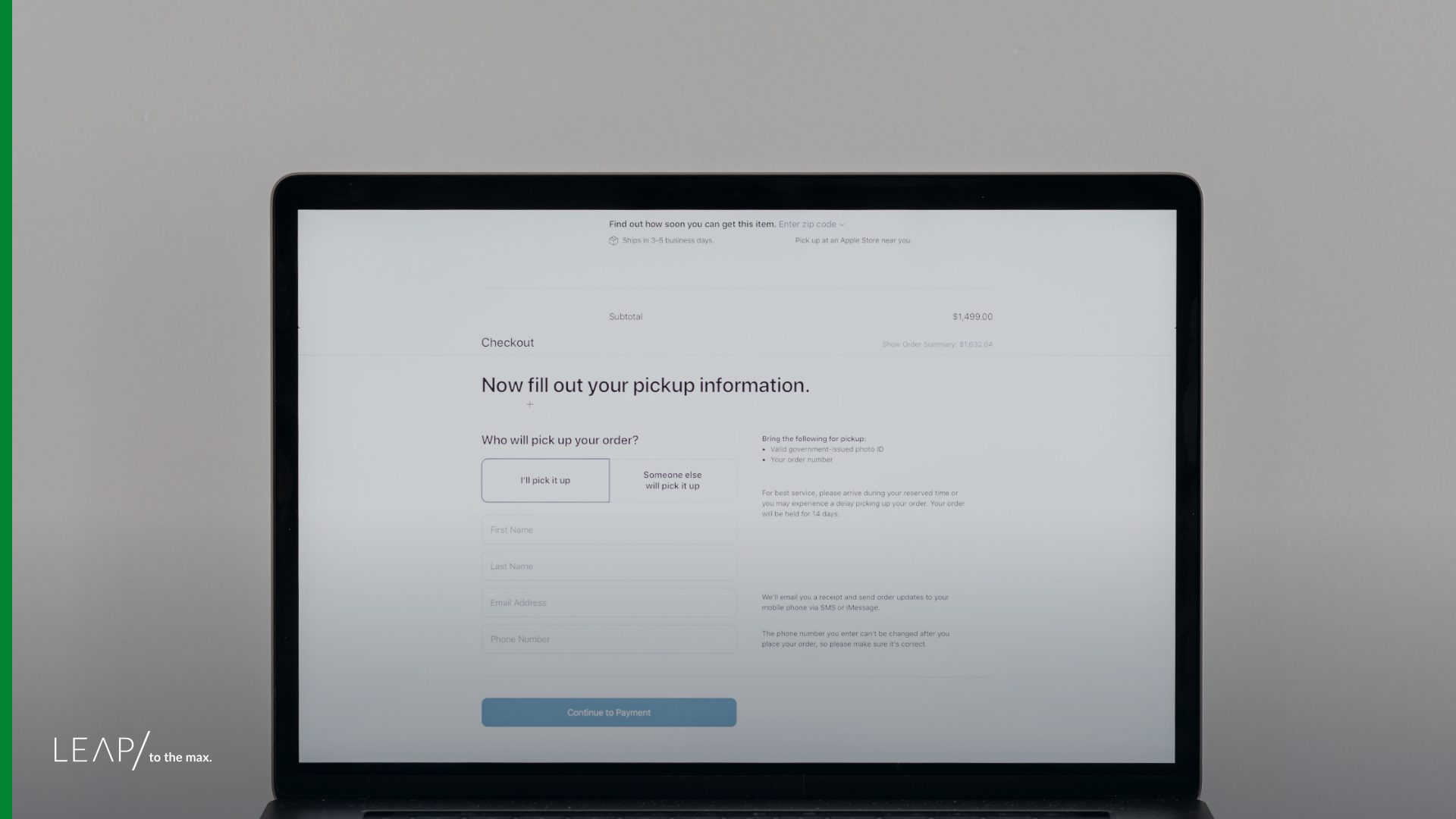
About one in four shoppers abandons their cart due to mandatory account creation. Here is how a guest checkout removes the barrier without losing customer accounts.

Most purchases are abandoned on smartphones. Discover where mobile checkouts fail and the levers you can use to boost your mobile conversion.

Around 7 out of 10 shopping carts are abandoned. Here are the known causes and the levers you can use to specifically lower your abandonment rate.

The cost of conversion optimization depends on a few key factors. Learn about pricing models, cost drivers, and why ROI is the more important figure.

Build SEO in-house or outsource to an agency? Five questions to help you make an honest make-or-buy decision.


.png)