€12.4 million in additional revenue through A/B testing!

Watch for free now
New Study: How AI Search is Changing SEO Visibility in E-Commerce
Read now


SCA has been mandatory since 2021 — but implementation is now decisive for market shares. Retailers who separate security and user experience lose customers. If you combine both, you turn regulatory pressure into a real competitive advantage.
1. How SCA is changing the checkout — and what that means for retailers in 2025
2. Which best practices and exceptions minimize conversion failures,
3. What measures retailers must implement now to combine security and sales.
1. How SCA is changing the checkout — and what that means for retailers in 2025
2. Which best practices and exceptions minimize conversion failures,
3. What measures retailers must implement now to combine security and sales.
While there was still uncertainty in 2019, SCA is now part of everyday life. For retailers, it is no longer a question of whether they implement SCA, but how they design it so that security and turnover go hand in hand.
SCA — the Strong Customer Authentication — is not just another compliance issue that retailers must check off. It fundamentally changes How payments work online and what customers expect from security and user experience.
In essence, the point is that every sensitive transaction in Europe since PSD2 has at least two factors must be secure: something that the customer knows (password, PIN), something they have (smartphone, card) or something that makes them unique (fingerprint, Face ID).
For retailers, this means:
In short: SCA forces shops to think of security as part of the user experience. Not just a “duty” — but an opportunity to create trust.
Today, payment service providers (PSPs) such as Adyen, Stripe, PayPal or Unzer automatically implement SCA requirements. Merchants don't have to build their own authentication procedures — but they must ensure that their checkouts are technically compatible and do not break the user interface.
Best practices:
SCA is mandatory — but not always. Retailers can benefit from exceptions if they are implemented in a technically clean manner:
Important: Whether an exception is accepted is decided at the end the customer's bank, not the merchant.
When SCA was announced in 2019, the biggest fear in online retail was: Collapse in conversion rates. The concern was justified — initial implementations with the old 3D Secure led to purchase cancellations of 10-20% because processes were cumbersome and barely usable on the go.
The situation is now much more differentiated:
The business effect is clear: SCA is not a conversion killer — if it is implemented correctly. Merchants who invest gain trust and can even achieve better conversion rates than before the PSD2 transition.
The implementation of SCA is decisive for success or frustration in the checkout. Anyone who now just thinks “duty fulfilled” risks unnecessary interruptions and angry customers. Decision-makers should use SCA rather than strategic lever understand: for more trust, better customer experience and stable conversion rates.
The following measures are mandatory:
SCA is here to stay — and by 2025 it is much more than a regulatory requirement. For retailers, it means that security and conversion are inseparable. Anyone who sets up processes cleanly, makes intelligent use of exceptions and consistently optimizes user guidance transforms the fulfilment of duties into a competitive advantage.
The formula for success is: Technology + transparency + user experience. Retailers who master these three factors minimize interruptions, create trust and increase sales. On the other hand, anyone who relies on outdated systems or half-hearted implementations not only risks losses — but also loss of customer trust.
In short: SCA is not a brake block, but a growth lever. Decision-makers who have recognized this are today securing an advantage in tomorrow's e-commerce.

.png)

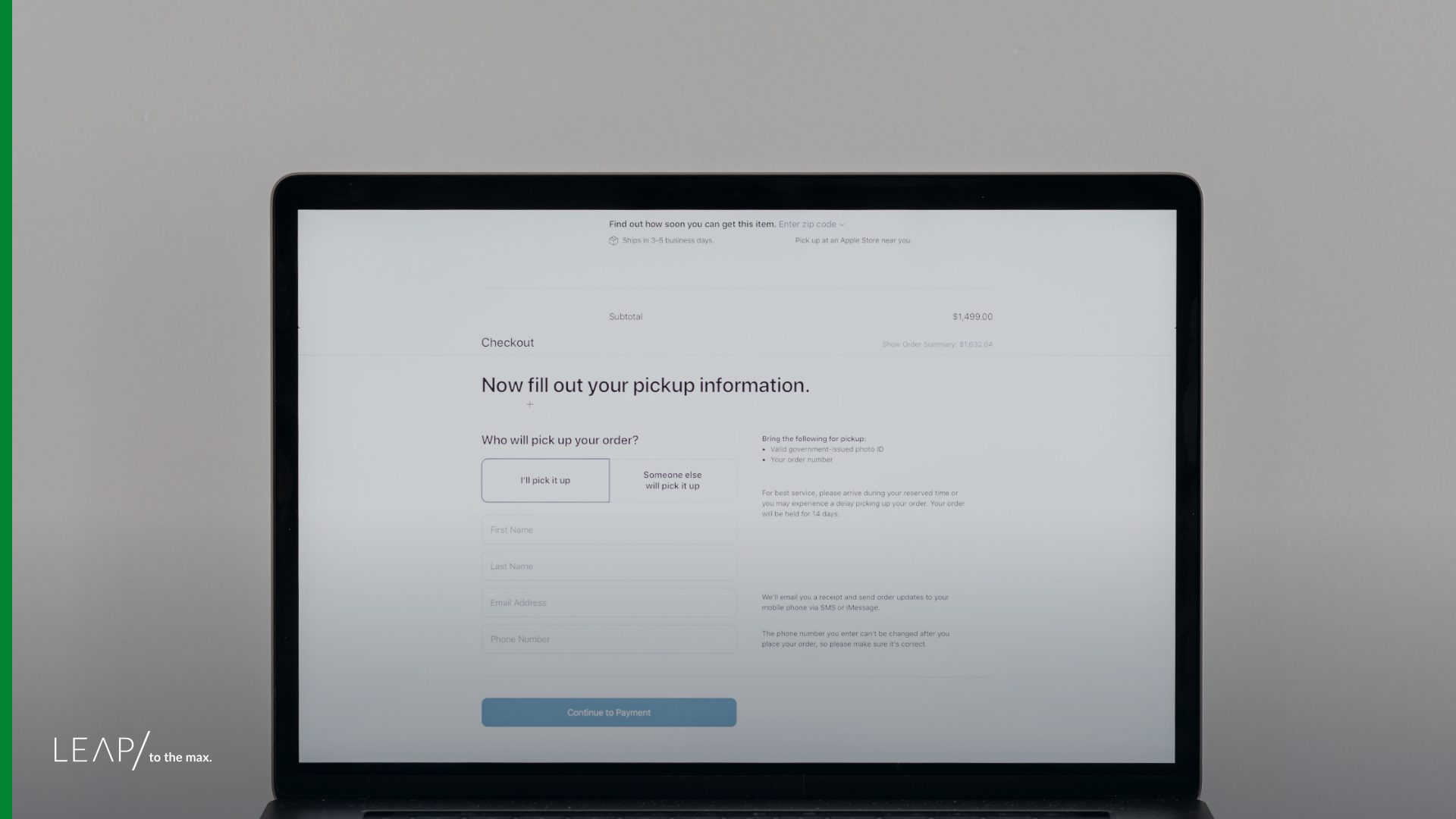
About one in four shoppers abandons their cart due to mandatory account creation. Here is how a guest checkout removes the barrier without losing customer accounts.

Most purchases are abandoned on smartphones. Discover where mobile checkouts fail and the levers you can use to boost your mobile conversion.

Around 7 out of 10 shopping carts are abandoned. Here are the known causes and the levers you can use to specifically lower your abandonment rate.

The cost of conversion optimization depends on a few key factors. Learn about pricing models, cost drivers, and why ROI is the more important figure.

Build SEO in-house or outsource to an agency? Five questions to help you make an honest make-or-buy decision.


.png)