€12.4 million in additional revenue through A/B testing!

Watch for free now
New Study: How AI Search is Changing SEO Visibility in E-Commerce
Read now


AI search is no longer a question of the future for German online retail. A growing portion of product research now happens via AI, whether through standalone assistants like ChatGPT, Gemini, and Perplexity, or via Google’s AI Overviews directly in search results. Both channels are now reaching a mass audience.
The critical competitive question has shifted. It used to be about whether an AI answer appeared for your search terms. Today, it is about whether your brand is cited as a source within it. Being affected does not mean being cited, and the gap between the two will determine your traffic in 2026.
This article provides both. First, the current status: how widespread AI search already is in German e-commerce. Then, the question that moves us forward: Why a good ranking does not guarantee a mention, and what you can conclude from this for your visibility.
1. What AI search means for e-commerce
2. How widespread are AI Overviews in German e-commerce?
3. Being affected does not mean being cited: the participation gap
4. What this means for your visibility
5. Your next step
6. FAQ
Executive Summary
AI search operates through two interfaces that decision-makers should distinguish between. Standalone assistants like ChatGPT, Gemini, and Perplexity answer questions outside of Google Search. Google's AI Overview, known in Germany as "Übersicht mit KI," is inserted above the traditional list of results within the search engine. Both often answer the user's question directly, meaning a click through to a shop is no longer necessary.
For retailers, this shifts the question of visibility. In the future, being visible means being cited as a source in the AI response. The extent to which AI search is already part of everyday life is shown by usage data: according to a June 2026 analysis by kernpunkt and commercetools, 57.2 percent of Germans have already used chatbots or AI assistants in online shops.

Takeaways
For German e-commerce, a joint analysis by LEAP and SISTRIX provides the most concrete figures on AI Overviews. As of autumn 2025, a median of 4.3 percent of the e-commerce keywords analyzed triggered an AI Overview. That may sound low, but it is a median across very diverse product ranges and describes an early stage, not the final state.
To put this into perspective: across all search queries—not just in e-commerce—Google's AI Overviews appeared in roughly 25 to 60 percent of searches in 2026, depending on the study; Google itself cites about half. These figures are not directly comparable to the e-commerce figure because they reflect different search types, countries, and methodologies. However, they do indicate the trend.
One particularity is important for retailers. AI responses appear most frequently for information- and advice-oriented search queries. Commercial searches with a clear purchase intent trigger them less often. Consequently, guide and comparison content from online shops is currently more affected than pure product and purchase searches.
Takeaways
Whether a shop is affected does not necessarily mean it will be cited. In our analysis of German e-commerce, the company was linked as a source in the AI Overview for only 2.3 percent of the affected keywords (LEAP × SISTRIX, as of Autumn 2025). This 2.3 percent refers to the affected keywords, not the total volume. In such a nascent field, the exact figure is a snapshot, but the underlying pattern is stable. For a growing share of searches, being affected is the rule, while being cited is the exception.
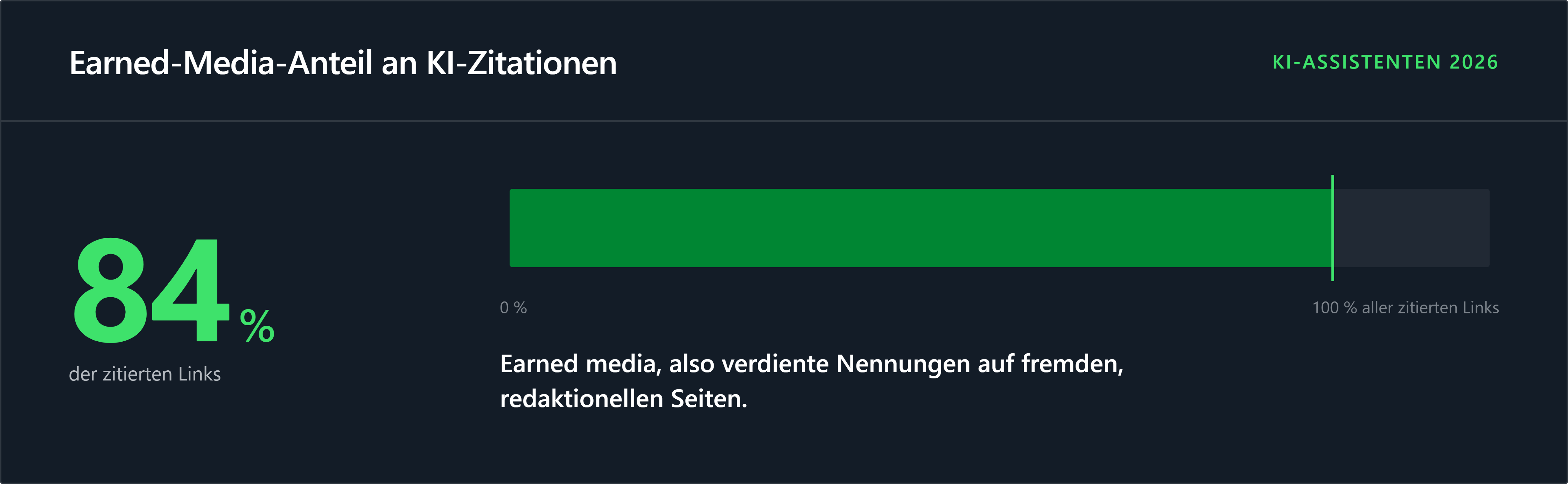
The fact that this pattern is not an isolated finding is shown by looking at standalone assistants like ChatGPT, Gemini, and Perplexity. The vast majority of what they cite as sources comes from third-party, editorial sites—so-called earned media. Own brand content accounts for only a small fraction of this, as an analysis by Muck Rack from May 2026 shows.
An older analysis by McKinsey (October 2025) points in the same direction, suggesting that a company's own website accounts for only 5 to 10 percent of the sources used. In Google's AI Overviews, the link to rankings was closer for a long time, but it loosened between 2025 and 2026. A good ranking still helps, but it is becoming less reliable as the sole ticket into an AI answer. Across both interfaces, the same finding applies as in our German data: presence alone does not guarantee a citation.
Takeaways
This gap creates a new, invisible form of competition. You can hold a top ranking for a keyword and still lose reach because the AI answer anticipates the question and cites a different source. Since a large portion of searches end without a click, this loss hits traffic at the top of your funnel.
The key lies in timing. In German e-commerce, citations in AI answers are currently sparse. Those who establish the prerequisites now will secure citations that will be fiercely contested later.
Treat citations in AI answers as a distinct discipline with its own goals and metrics. The data suggests two guardrails. In assistants, presence in credible third-party sources pays off because own-site content is rarely cited there. In AI Overviews, a good ranking remains the foundation, but it is no longer sufficient as a sole lever. We cover the technical implementation—from crawler access for GPTBot, CCBot, and ClaudeBot to creating citeable content—in our article on why websites are ignored by ChatGPT, Perplexity, and others despite top Google rankings.
Takeaways
Before you invest in AI visibility, it is worth asking a more honest question: How systematically do you currently track whether you are being cited in AI responses?
The full study by LEAP and SISTRIX shows how large the gap is in your industry and which keywords are affected in German e-commerce. For a quick introduction to the topic, check out our GEO and AI Search webinar. → To the study · To the webinar
If you would like to determine what this specifically means for your shop, a free strategy sessionwill clarify that.
What is an AI Overview? An AI Overview is an AI-generated response from Google that appears above traditional search results. It summarizes information from various sources and often answers the search query directly, meaning the user does not necessarily have to click on a result. This is distinct from standalone assistants like ChatGPT or Perplexity, which provide answers outside of Google Search.
How many searches will be affected by AI responses in 2026? Depending on the survey, Google's AI Overviews appear in about 25 to 60 percent of search queries in 2026, with Google itself citing about half. This range exists because every study measures different keyword sets. For e-commerce, the share is lower because commercial searches are less likely to trigger an AI response. Standalone assistants like ChatGPT are used additionally and independently of this.
Does a good Google ranking mean I will be cited in AI responses? Not automatically. In standalone assistants like ChatGPT, being cited rarely depends on Google rankings; instead, third-party editorial sources dominate. In Google's AI Overviews, the connection to rankings was tighter for a long time, but it loosened between 2025 and 2026. A good ranking still helps, but it does not guarantee a mention.
Is GEO the same as SEO? No. Generative Engine Optimization (GEO) aims to get your content cited as a source in AI-generated answers. It builds on traditional SEO but is a distinct discipline with its own criteria, such as creating externally verified, citable content.
.png)

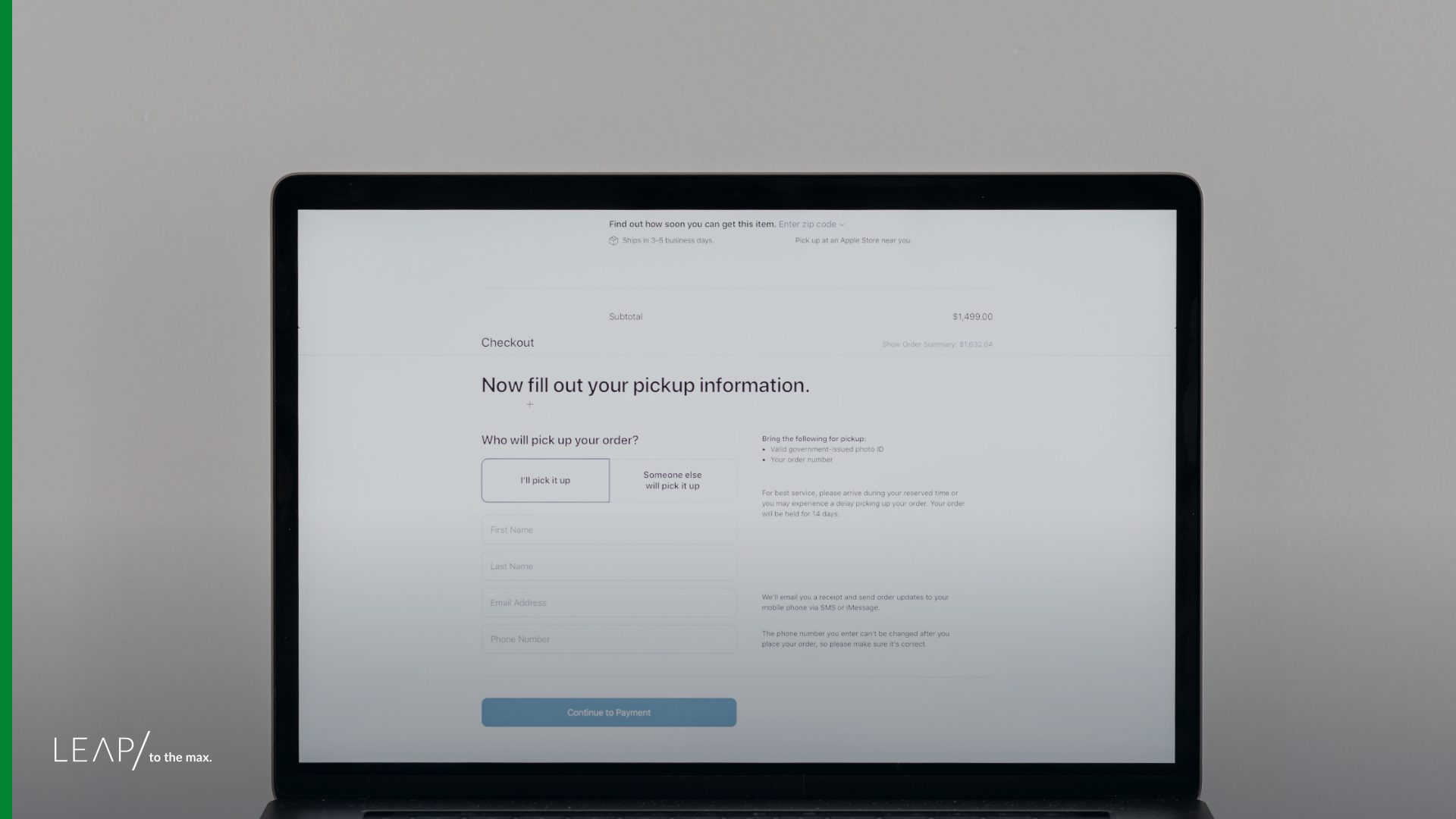
About one in four shoppers abandons their cart due to mandatory account creation. Here is how a guest checkout removes the barrier without losing customer accounts.

The cost of conversion optimization depends on a few key factors. Learn about pricing models, cost drivers, and why ROI is the more important figure.
Build SEO in-house or outsource to an agency? Five questions to help you make an honest make-or-buy decision.

Not every CRO agency tests systematically. These 7 criteria will help you identify reliable providers before you allocate your budget.
Around 73% of top online shops in Germany do not use an A/B testing tool. Here is why this is the biggest untapped lever in e-commerce and what systematic testing actually achieves.


.png)