€12.4 million in additional revenue through A/B testing!

Watch for free now
New Study: How AI Search is Changing SEO Visibility in E-Commerce
Read now


Internal linking is more than technology — it combines SEO, usability and content strategy. Those who take a strategic approach here strengthen visibility, increase the authority of their pages and improve the user experience. The use of AI also opens up new opportunities to make structures more intelligent and efficient.
1. Why internal linking is a decisive ranking factor for Google.
2. How to strategically optimize navigation, click paths, and anchor texts
3. What technical pitfalls need to be avoided — from broken links to redirect chains.
4. How AI-supported tools help build internal link structures in a scalable and precise way.
1. Why internal linking is a decisive ranking factor for Google.
2. How to strategically optimize navigation, click paths, and anchor texts
3. What technical pitfalls need to be avoided — from broken links to redirect chains.
4. How AI-supported tools help build internal link structures in a scalable and precise way.
Internal linking is much more than just a way of taking users from one page to the next — it is a central SEO tool. Google and other search engines use internal links to understand the structure of a website and to pass on relevance signals to specific pages. Especially for large websites, online shops or content portals, internal linking can decisively influence the visibility of individual pages, especially those that have few or no external backlinks.
Good to know:
In short: Internal linking is now a link between SEO, user management and content strategy, which ensures long-term reach and visibility.
The best internal links are of little use if neither visitors nor search engine bots can easily navigate through the website. The usability of navigation remains a decisive factor for SEO and user experience. Currently, this means mobile-first, clear structures and barrier-free navigation.
Best practices for modern navigation:
A clear, user-friendly structure ensures that bots reach all relevant pages, while visitors have a positive experience that directly leads to longer stays and lower bounce rates.
Not every internal link is the same. To have the full effect on SEO, the Linkjuice, i.e. the “power” of a page, can be distributed specifically to relevant landing pages. Anchor texts also play a central role here, as they provide the search engine with semantic information about the content of the target page.
Strategies for 2025:
These measures reduce internal link flow used efficiently, increases the authority of important pages and clearly communicates the thematic relevance — both for users and for search engines.
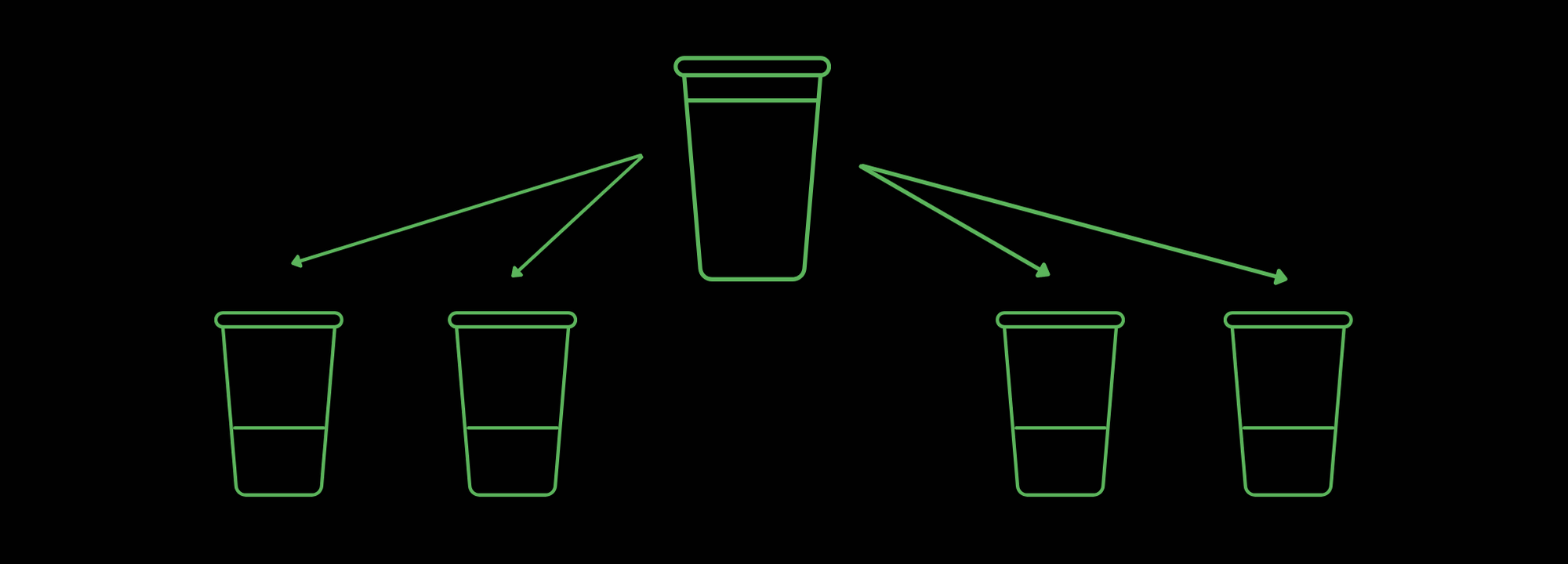
Simply explained visually: The importance of using Linkjuice sparingly
Die Click path depth describes how many clicks are needed to get from the start page to a specific subpage. The deeper a page is “hidden” in the structure, the more difficult it is for users and search engines to find it — and the less relevance is attributed to it.
Why short click paths are crucial:
Best practices:
A lean, logical click path not only strengthens SEO performance, but also increases user satisfaction — and ultimately conversion rates.
Well-thought-out internal linking loses its effect when links go nowhere. 404 errors, broken redirects or endless redirect chains not only worsen the user experience, but also cost valuable link juice.
Why that's important:
Best practices:
A clean internal link structure without error pages or unnecessary redirects is not only a question of SEO efficiency, but also a sign of professional website maintenance.
The use of artificial intelligence opens up new opportunities to make internal linking not only more efficient but also semantically more relevant. Especially with large websites or online shops, where hundreds or thousands of pages have to be linked together, manually maintained links quickly reach their limits. AI systems can recognize patterns, analyze content clusters and provide suggestions for an optimized link structure.
Overview of possible applications:
Best practices for deployment:
AI can take internal linking to a new level — more scalable, more precise and based on data. However, it does not replace a well-thought-out content and SEO strategy, but reinforces it. Anyone who combines man and machine in a meaningful way secures a clear advantage in the competition for visibility and reach.
Internal linking is not a technical detail, but a key success factor for SEO, usability and conversion. It gives search engines clear signals, strengthens the relevance of important pages and ensures that users find content quickly. Those who pay attention to short click paths, clean link texts and technical hygiene create the basis for sustainable visibility.
2025 shows that classic best practices remain important, but AI brings internal linking to a new level. It detects content clusters, uncovers vulnerabilities and helps prioritize relevant pages — tasks that are barely possible manually at this depth.
The combination of sophisticated strategy and AI-based analysis makes internal links a lasting competitive advantage. Anyone who uses both builds a website structure that not only works today, but also cushions future SEO developments.

.png)


Build SEO in-house or outsource to an agency? Five questions to help you make an honest make-or-buy decision.
AI search has arrived in German online retail: It used to be about whether an AI answer appeared for your search terms. Today, it is about whether your brand is cited as a source within it.
.jpg)
Traditional SEO methods are no longer sufficient for growth. Today, brand clarity, decision-relevant content, and active visibility determine whether SEO generates revenue.
.jpg)
AI Search evaluates not only content, but the comprehensibility of entire brands. Unclear positioning reduces the likelihood of being selected.
.jpg)
AI traffic is still low, but converts significantly better. Users are pre-qualified, making conversion even more important than traffic.


.png)
.jpg)