€12.4 million in additional revenue through A/B testing!

Watch for free now
New Study: How AI Search is Changing SEO Visibility in E-Commerce
Read now


Digital search behavior is changing rapidly: While AI-based platforms such as ChatGPT were considered potential game changers, current figures show the opposite trend. ChatGPT's share of website traffic is falling noticeably, while Google can even slightly expand its position as a dominant search channel. An analysis of the latest data shows how AI, search and user behavior will shift in 2026.
1. ChatGPT's traffic decline: A warning sign for AI platforms
2. Organic search remains robust — despite AI overlay
3. Conclusion: Visibility is shifting, but the core remains
1. ChatGPT's traffic decline: A warning sign for AI platforms
2. Organic search remains robust — despite AI overlay
3. Conclusion: Visibility is shifting, but the core remains
According to a comprehensive study by Ahrefs The share of website traffic generated by ChatGPT fell to just 0.21% in December 2025 — after 0.25% in the previous month. This decline is the strongest within the entire year and points to a saturation of AI-based surfing behavior.
By way of comparison, Google grew by 0.06 percentage points in the same period and now has almost 40% market share of global traffic distribution. Bing follows behind with around 1.4%.
According to Tim Soulo, CMO of Ahrefs, seasonal effects may have played a role: Over the holidays, users appear to be less likely to click on external links from ChatGPT conversations. In the long term, however, there is a structural change — ChatGPT is losing relevance, while Google's ecosystem remains more integrated through new AI features such as “AI overviews.”
In addition, direct traffic (e.g. through saved URLs or apps) rises to 37.14%, which indicates that many users are using proven access channels instead of relying on AI assistance systems.
An analysis of numerous Similarweb data showed that organic search traffic fell by just 2.5% year on year. The decline is therefore significantly more moderate than many industry observers had expected.
Although AI-supported search results (“AI overviews”) influence click rates, the basic demand for classic search queries remains stable. Users still seem to have confidence in traditional search — particularly when it comes to complex or transactional topics.
The data suggests that the integration of AI into search engines is an addition rather than a replacement for organic search. Companies should therefore not give up their SEO strategies, but expand them — for example through content that is taken into account in AI-generated overviews (e.g. in Google's AI Mode).
Despite rapid development in the area of generative AI, organic search remains the stable core of digital traffic in 2026. ChatGPT is losing importance as an entry-level platform, while Google can even extend its lead through technological adjustments. For companies, this means that SEO remains essential, but the rules of the game are changing. In future, visibility in classic rankings must be supplemented by presence in AI-generated search interfaces. Anyone who now invests in high-quality content, structured data management and user experience will remain visible in both worlds — search and AI.

.png)


About one in four shoppers abandons their cart due to mandatory account creation. Here is how a guest checkout removes the barrier without losing customer accounts.

The cost of conversion optimization depends on a few key factors. Learn about pricing models, cost drivers, and why ROI is the more important figure.

Build SEO in-house or outsource to an agency? Five questions to help you make an honest make-or-buy decision.

Not every CRO agency tests systematically. These 7 criteria will help you identify reliable providers before you allocate your budget.
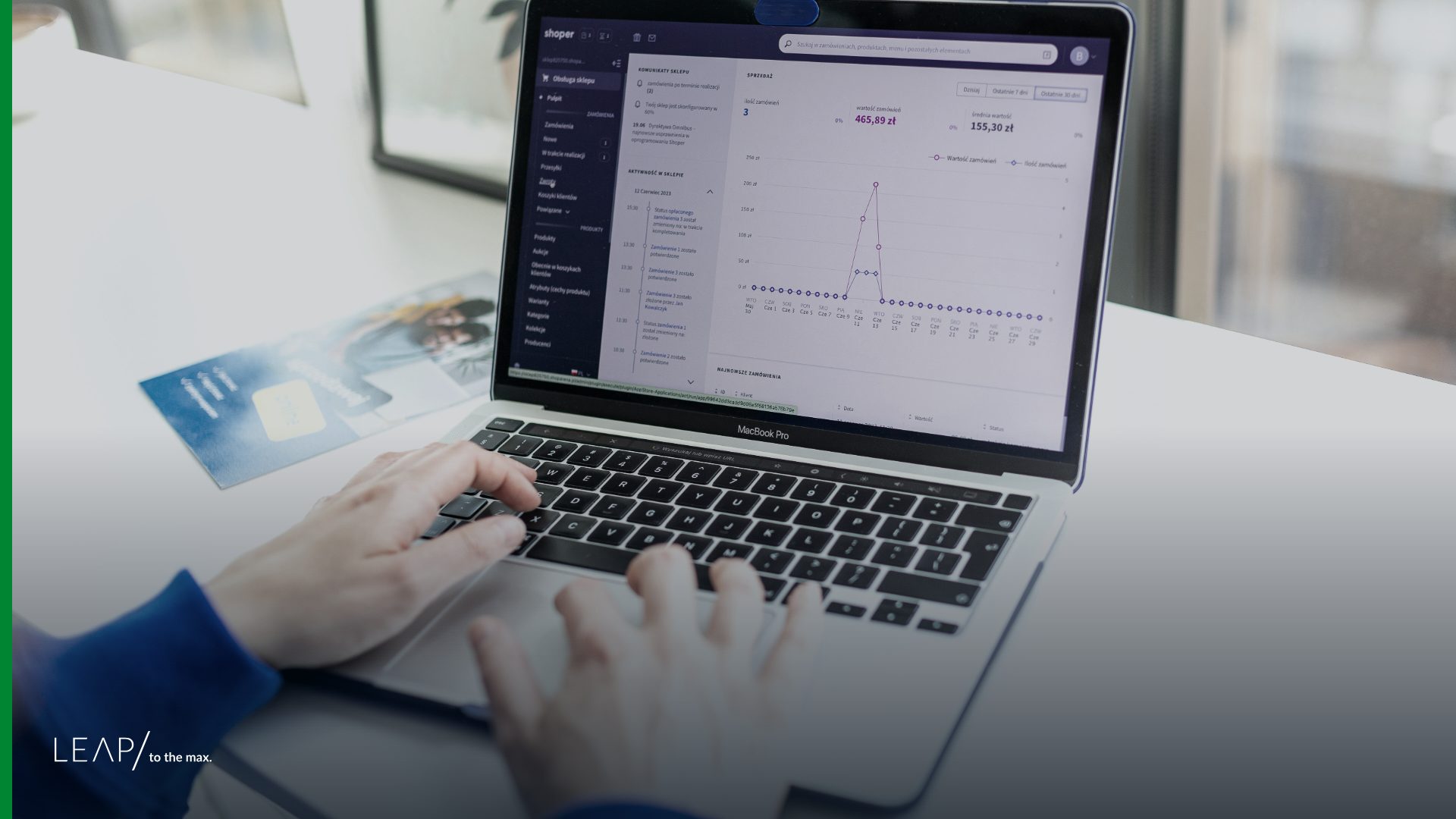
Around 73% of top online shops in Germany do not use an A/B testing tool. Here is why this is the biggest untapped lever in e-commerce and what systematic testing actually achieves.


.png)