€12.4 million in additional revenue through A/B testing!

Watch for free now
New Study: How AI Search is Changing SEO Visibility in E-Commerce
Read now


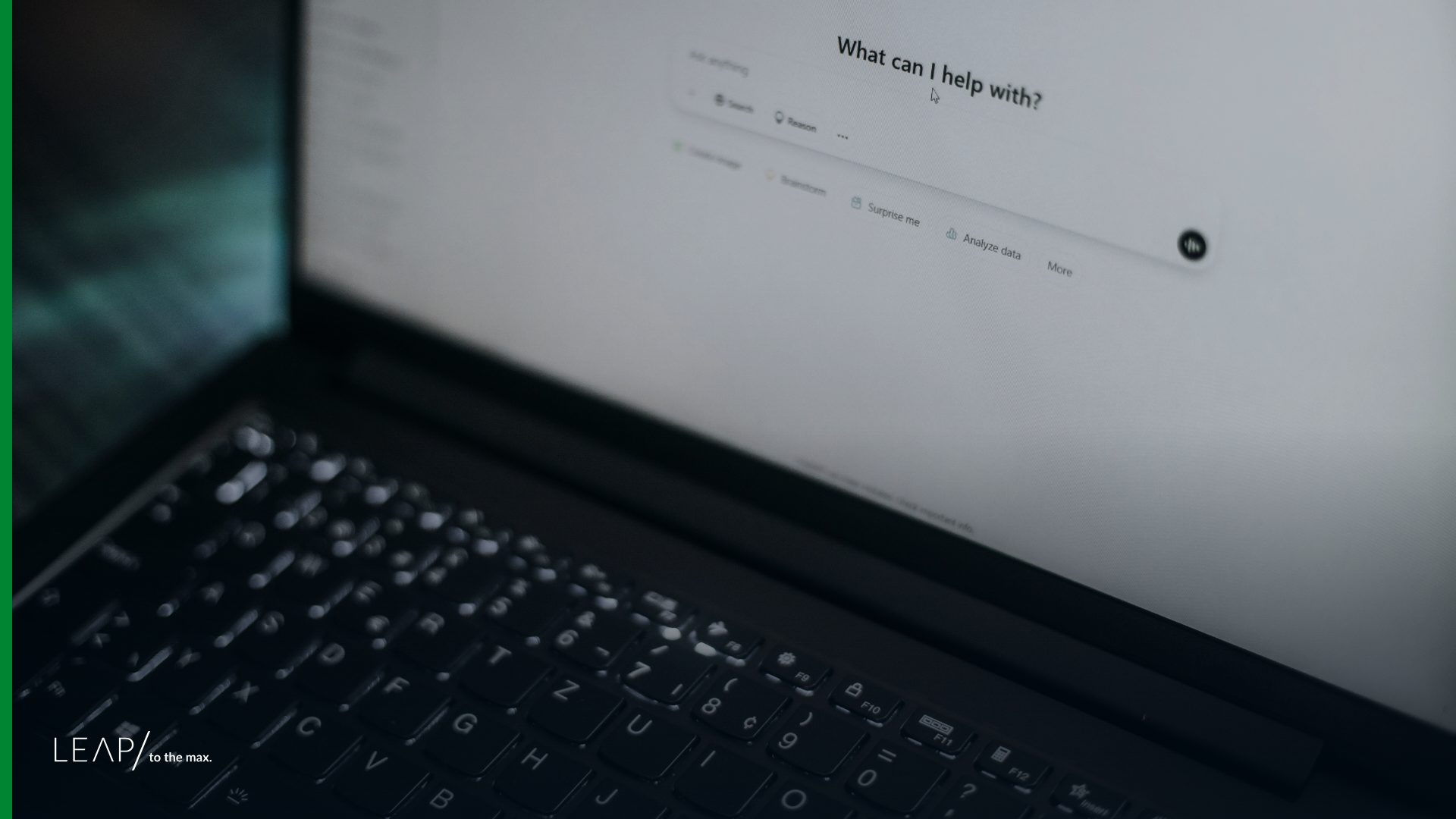
OpenAI starts testing advertising in ChatGPT — initially in the USA. What at first glance sounds like “yet another advertising format” is strategically much bigger: ChatGPT is not just another traffic provider, but a decision-making interface. Anyone who is visible here (organically or paid) is closer to buying decisions than in many traditional channels.
For ambitious companies, this poses a new core question: How is their own brand found, understood and selected in AI answers — and how does this generate revenue?
1. What OpenAI is actually testing — and what it isn't
2. Why “impressions instead of clicks” is a signal — and not just a detail
3. The new reality: Visibility happens in answers, not just in rankings
4. 5 consequences for companies that want to grow profitably
4. Conclusion - This is how companies win in the ChatGPT decision-making world
1. What OpenAI is actually testing — and what it isn't
2. Why “impressions instead of clicks” is a signal — and not just a detail
3. The new reality: Visibility happens in answers, not just in rankings
4. 5 consequences for companies that want to grow profitably
4. Conclusion - This is how companies win in the ChatGPT decision-making world
OpenAI wants to test ads in ChatGPT at the end of January/beginning of February 2026. These ads appear at the bottom of answers, clearly marked as “Sponsored” /ad and visually separated from the actual response text.
Key test guidelines:
It's not “search ads in a new UI.” This is advertising within an assistant that users actively use to make decisions.
By introducing ads, ChatGPT is developing into a new high-intent decision-making channel in which brands can be visible right at the moment of selection — without “buying” the organic answer. At the same time, the requirements for measurability and conversion setup are increasing: Anyone who can clearly attribute brand and performance impact and consistently optimize the journey will transform this new visibility into profitable growth faster than the competition.
A key point from the initial reports: OpenAI should price ads impression-based (pay-per-view) — and not traditionally CPC driven. In addition, Search Engine Roundtable reports that OpenAI is working with a small number of advertisers at an early stage, with commitments of less than $1 million per advertiser over several weeks and a launch of trial ads at the beginning of February. Self-serve buying should not yet exist.
Strategically, this means:
When ChatGPT ads are primarily rated based on impressions rather than clicks, the logic of success shifts: Visibility is created at the moment of decision, not just after the click. For growth-oriented companies, this means that anyone who only relies on CPC mechanics and last-click attribution will underestimate impact — or misallocate budget. The decisive factor is a clean measurement architecture that also makes indirect effects (brand lift, assisted conversions, incremental demand) visible, and a conversion setup that translates every touchpoint into profit. This is exactly where the lever comes in: Companies with strong proposition, clear proof signals and consistent CRO win — because they turn attention into measurable revenue, while others are only “seen.”
ChatGPT ads are just the tip. The actually relevant thing is: Chat interfaces become a product selection interface. When users ask “Which solution is best for XY? “, a curated decision-making space is created — and companies compete on two levels:
OpenAI clearly describes the mechanism: Ads should appear when a sponsored product/service matches the current conversation, including controls (Why am I seeing that? hide ad, personalization off).
This leads to a new growth logic:
If you don't appear in AI answers, you lose market share — even with stable Google rankings. And anyone who appears there but doesn't have a conversion system after the click (or after the “ad exposure”) is burning potential.
Whether a brand appears in AI responses depends not on a trick, but on authority, clarity, and relevance:
Classic SEO programs often optimize based on keywords. In AI interfaces, it is more important whether content covers decision-making questions along the journey (comparison, selection, risk, proof, next steps) — in a form that machines can easily extract and reference.
If ads are partly impression-based and organic AI mentions don't always have to be clickable, conversion optimization wins twice:
In a world where part of the effect is created without a click, “last click” is no longer enough. Companies need a setup that cleanly combines incrementality, assists, brand lift and journey logic.
With ChatGPT, Paid is not only “additional”, but can also be right next to the organic recommendation. Anyone who thinks only paid or only organic here loses efficiency. Winners build a system that orchestrates both levels.
The current situation should not be hastily framed as a “new format, test quickly”, but as a strategic course:
Actionism would be: “book a few ads” without a system behind it. Because that's when you buy visibility in a new interface — and lose margin in the same old places: weak proposition, unclear proof story, conversion leaks. Instead, companies should map important decision questions, expand AI content and authority, and start planning now how to turn visibility into AI answers into measurable revenue.
Ads in ChatGPT do not mark a “new channel,” but the start of a new decision logic in digital marketing: Visibility is created where users actively select, compare and prepare purchase decisions. In this environment, anyone who only thinks in terms of clicks will underestimate impact and value — because impression-based display, limited test environments and potentially conversational ads shift the focus from traffic volume to relevance at the moment of decision.
For companies, this means that growth will depend more on whether a brand appears organically in AI responses, how convincing it appears in just a few seconds and how cleanly the journey measurably leads to sales. This is exactly where the competitive advantage lies: SEO must Decision Coverage deliver, CRO must translate every touchpoint into profit, and the measurement architecture must make the actual addition of conversions and revenue visible — even without a classic click path.
LEAP combines these disciplines under Growth Intelligence: a holistic strategy of SEO, conversion optimization and AI, which becomes a prerequisite for predictable, profitable growth in an AI-driven decision-making world.

.png)

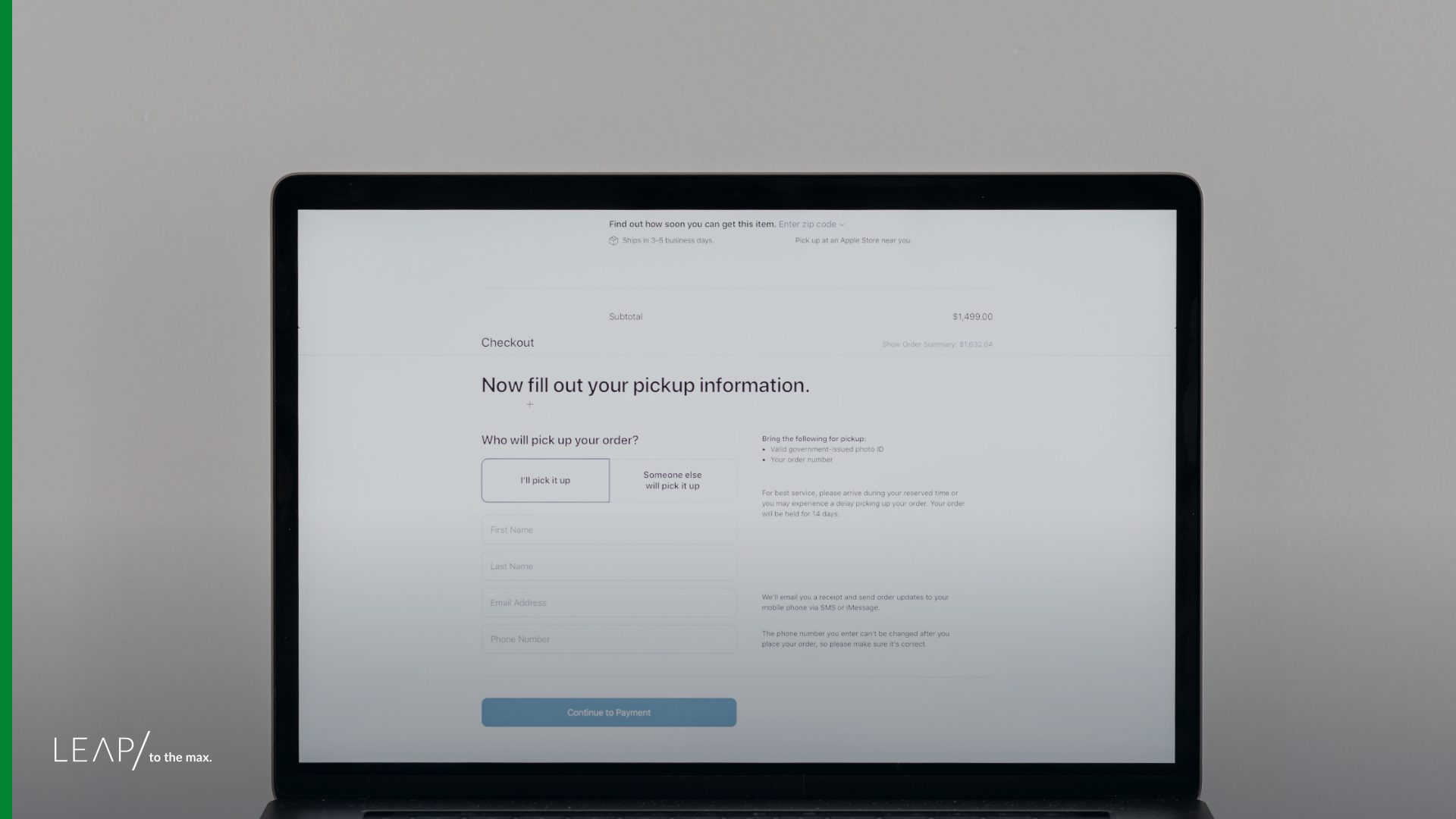
About one in four shoppers abandons their cart due to mandatory account creation. Here is how a guest checkout removes the barrier without losing customer accounts.

The cost of conversion optimization depends on a few key factors. Learn about pricing models, cost drivers, and why ROI is the more important figure.

Build SEO in-house or outsource to an agency? Five questions to help you make an honest make-or-buy decision.

Not every CRO agency tests systematically. These 7 criteria will help you identify reliable providers before you allocate your budget.
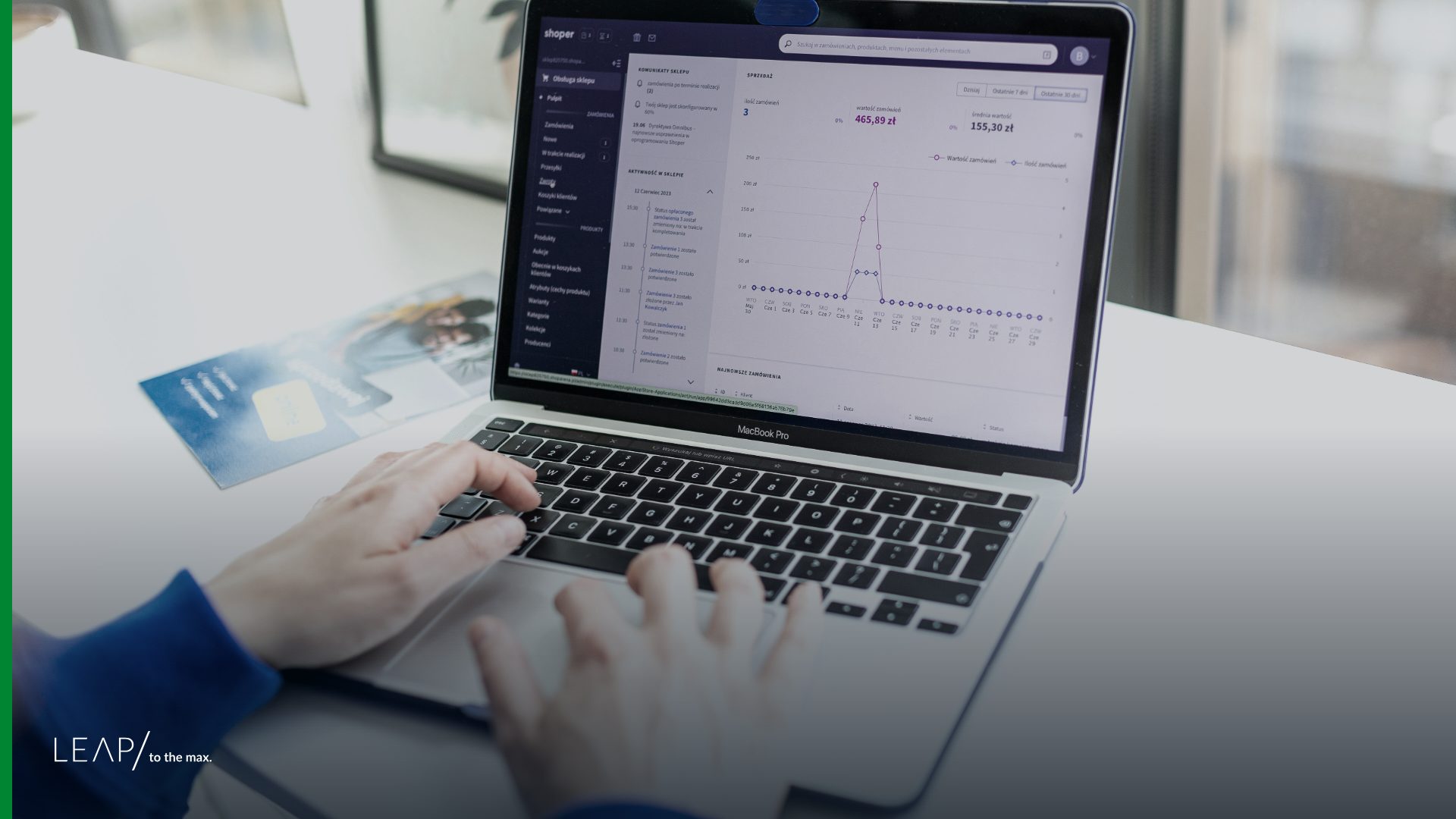
Around 73% of top online shops in Germany do not use an A/B testing tool. Here is why this is the biggest untapped lever in e-commerce and what systematic testing actually achieves.


.png)