€12.4 million in additional revenue through A/B testing!

Watch for free now
New Study: How AI Search is Changing SEO Visibility in E-Commerce
Read now


The choice between SEO agency and in-house SEO is one of the most important decisions for companies that want to increase their visibility online. Both models offer clear advantages, but they also have their limits. This article shows you how to find the right solution for your budget, strategy, and company size.
1. What are the advantages and disadvantages of SEO agencies and in-house SEOs
2.. How to choose the right solution for your company based on a checklist of decision criteria.
3. What costs and economic aspects you need to plan for
4. What role AI tools play in increasing efficiency and whether they are changing the need for agency or in-house resources.
1. What are the advantages and disadvantages of SEO agencies and in-house SEOs
2.. How to choose the right solution for your company based on a checklist of decision criteria.
3. What costs and economic aspects you need to plan for
4. What role AI tools play in increasing efficiency and whether they are changing the need for agency or in-house resources.
Search engine optimization (SEO) is a crucial channel for many companies to become visible online and generate sustainable traffic. When it comes to the question of whether SEO should be implemented internally by a dedicated employee or externally via an agency, company size, resources and strategic goals play a central role. The right choice has a direct impact on the efficiency of measures, the quality of optimization and, in the long term, on the company's success. A well-thought-out SEO strategy ensures that all measures are coordinated, synergies are used and goals can be achieved measurably.
Before deciding between in-house SEO and agency, it is important to analyze the company's framework conditions and resources. The following factors are decisive:
A systematic analysis of these criteria provides the basis for a well-founded decision.
Both agencies and in-house SEOs have specific strengths and weaknesses, which vary depending on company size, complexity and project scope.
Benefits of an SEO agency:
Disadvantages of an SEO agency:
Benefits of an in-house SEO:
Disadvantages of an in-house SEO:
The choice depends heavily on the company's individual requirements and resources.
The question of costs is one of the central factors when deciding between an SEO agency and an in-house solution.
Artificial intelligence (AI) has also significantly changed the SEO landscape in recent years. When deciding between in-house SEO and agency, you should consider the potential of modern AI tools.
This makes AI a third factor in the decision: It can strengthen the work of agencies as well as that of in-house teams — or in certain cases even make a hybrid solution particularly economically attractive.
The decision between an SEO agency and an in-house SEO depends largely on your goals, resources and company structure. While agencies score points with bundled know-how, flexible capacities and a broad industry overview, an in-house SEO impresses with deep product knowledge, direct networking within the company and rapid implementation channels.
Costs, profitability and the question of internal capacities play just as important a role as the integration of modern AI tools. Artificial intelligence can make routines more efficient and open up new scope for action, but it does not replace people's strategic expertise. Instead, it shifts the weighting between operational and planning tasks.
In the end, a mixed solution is often the most effective: an internal SEO team that works closely with an agency and is supported by AI. In this way, you combine deep corporate knowledge, external expertise and technological efficiency — and ensure that your SEO strategy remains sustainable, flexible and sustainable.

.png)

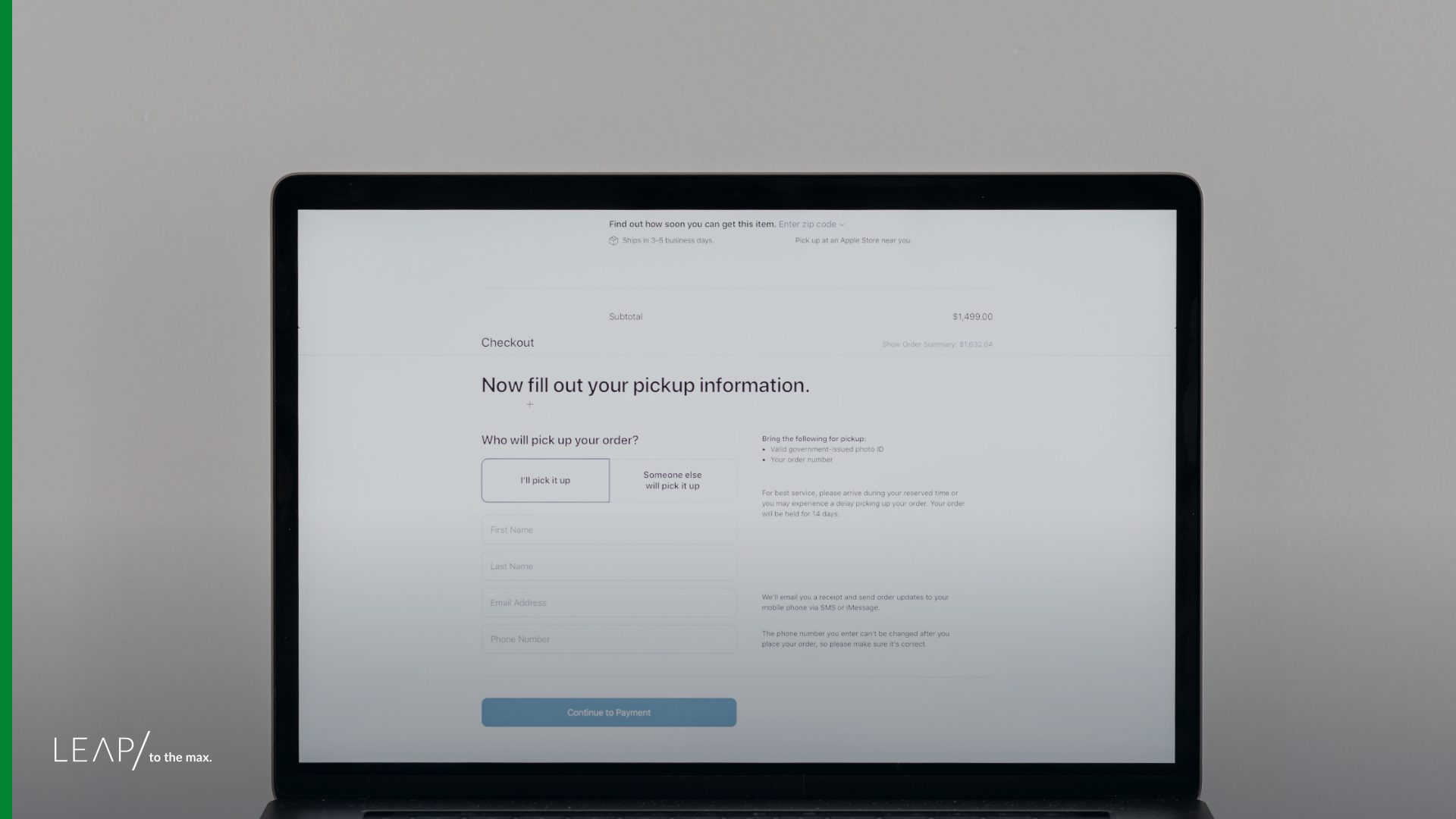
About one in four shoppers abandons their cart due to mandatory account creation. Here is how a guest checkout removes the barrier without losing customer accounts.

The cost of conversion optimization depends on a few key factors. Learn about pricing models, cost drivers, and why ROI is the more important figure.
Build SEO in-house or outsource to an agency? Five questions to help you make an honest make-or-buy decision.

Not every CRO agency tests systematically. These 7 criteria will help you identify reliable providers before you allocate your budget.
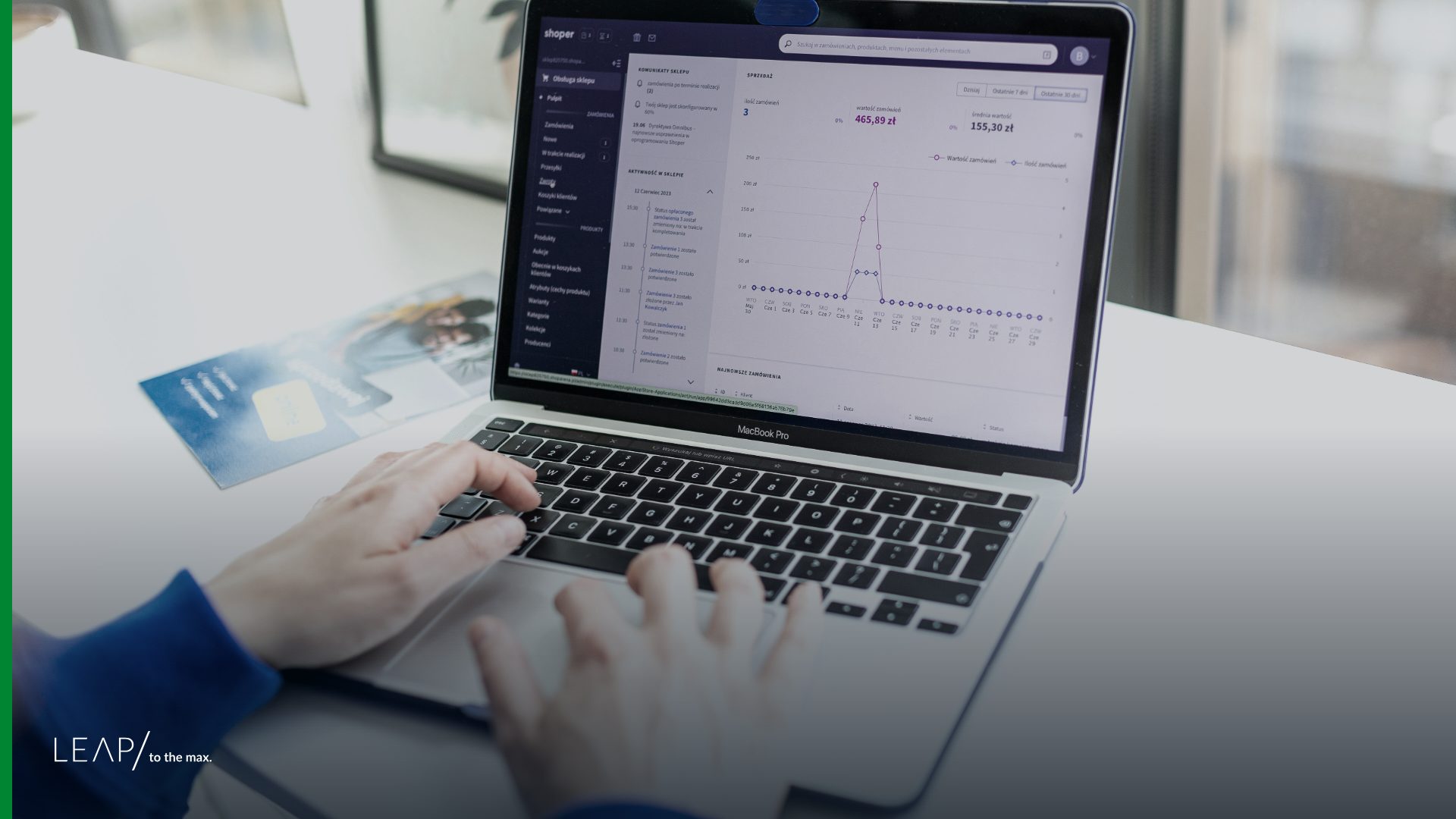
Around 73% of top online shops in Germany do not use an A/B testing tool. Here is why this is the biggest untapped lever in e-commerce and what systematic testing actually achieves.


.png)