€12.4 million in additional revenue through A/B testing!

Watch for free now
New Study: How AI Search is Changing SEO Visibility in E-Commerce
Read now


With Claude Cowork, Anthropic is launching an AI assistant with a clear ambition: not just to support tasks, but to transform knowledge work directly at the desk. Access to local files, the automation of complex workflows, and deep integration into daily work mark another step toward AI-powered productivity. This step brings many opportunities for business growth, but it also carries certain risks.
1. What Claude Cowork really shows: AI is becoming operational – and therefore mission-critical
2. Productivity is not an end in itself – but a growth lever
3. Data protection & control: Efficiency without governance is not progress
4. AI is becoming a growth system – with integration and governance
1. What Claude Cowork really shows: AI is becoming operational – and therefore mission-critical
2. Productivity is not an end in itself – but a growth lever
3. Data protection & control: Efficiency without governance is not progress
4. AI is becoming a growth system – with integration and governance
Claude Cowork is not a classic chat interface, but an AI assistant that accesses local files directly. It is capable of structuring information, creating content, and automating recurring tasks. It can even support teams with planning and project management. The goal is clear: less manual work, more focus on value-adding activities.
But this is exactly where the crucial point lies: Productivity gains from AI only deliver value when they are systematically integrated into existing processes, decision-making logic, and growth targets. Because with this level of depth, AI finally leaves the experimental phase and becomes part of operational value creation – and thus a decision-critical system, which massively influences the speed, quality, and scalability of work.
In practice, LEAP repeatedly observes that companies invest in AI tools without clearly defining the measurable business impact they aim to achieve. Efficiency without strategic integration remains isolated and does not scale. For LEAP, it is therefore clear: those who view AI only as an efficiency tool are wasting potential. Those who understand it as a strategic lever build sustainable competitive advantages.
Claude Cowork reduces operational overhead because, once folders are shared, the assistant can analyze, edit, create, and organize files . Additionally, Cowork uses connectors to tools like Slack, Notion, and Canva and can perform further tasks via the browser – productivity is thus no longer created just within a document, but across entire workflows.
From LEAP's perspective, the decisive point is: Efficiency is only a growth lever if it is translated into business impact. To achieve this, companies must keep three effects in mind when integrating AI assistants:
Using Cowork in isolation as a "time-saving tool" only yields short-term results. Integrating it systemically into processes and decision-making logic, however, drives long-term performance.
Claude Cowork shifts productivity from individual documents to end-to-end workflows. From LEAP’s perspective, this only becomes a true growth lever when the integration generates measurable business impact rather than just short-term time savings. To achieve this, AI must not be used in isolation. Systematic integration is essential to sustainably increase overall performance.
Local file access is both a strength and a risk with Claude Cowork: once selected folders are granted access, the assistant can analyze, edit, and create files—and potentially trigger actions that could cause real damage if errors occur (e.g., misfiling, overwriting, or deleting). As AI evolves from a "chat" tool into an operational entity with permissions, the requirements for security and control shift accordingly.
Furthermore, there is a structural risk such as prompt injection: if agents are manipulated via hidden instructions, the chances of data leakage or unintended actions increase. The deeper AI is integrated into internal systems, the more critical governance, access controls, and clear decision-making logic become.
From LEAP’s perspective, data protection is therefore not an IT checklist, but a management decision regarding control, liability, and value creation. Before rolling it out, companies must definitively establish:
It is not access to AI that determines your competitive edge, but the ability to establish clear rules, responsibilities, and safety guardrails—before efficiency scales into a risk.
Claude Cowork turns AI into an operational entity through local file access—which increases efficiency, but also raises risks from errors and attacks like prompt injections. The decisive lever is therefore governance: clear data permissions, limited access rights, defined automation boundaries, and mandatory human oversight.
Claude Cowork is a clear example of where AI assistants are heading: away from being "helper tools" and toward systems that actually take over operational work—thereby measurably influencing speed, quality, and scalability within a company. However, the decisive difference is not created by features, but by leadership: Only those who integrate AI into processes, decision-making logic, and growth goals turn efficiency into a sustainable competitive advantage.
At the same time, the deeper AI integrates into data and workflows, the more important governance, access rights, and clear automation boundaries become. From LEAP's perspective, the central management task is therefore to think of productivity and control together – so that AI doesn't just make things faster, but scales growth in a predictable, secure, and profitable way.
In practical terms, this means: Anyone introducing AI agents needs a target system (which business impact counts), an operating system (which processes and decision-making logic AI supports), and a control system (which rights, permissions, and audits guarantee security). Only when these three levels are in place does AI productivity become a controllable growth effect.

.png)

About one in four shoppers abandons their cart due to mandatory account creation. Here is how a guest checkout removes the barrier without losing customer accounts.

The cost of conversion optimization depends on a few key factors. Learn about pricing models, cost drivers, and why ROI is the more important figure.

Build SEO in-house or outsource to an agency? Five questions to help you make an honest make-or-buy decision.

Not every CRO agency tests systematically. These 7 criteria will help you identify reliable providers before you allocate your budget.
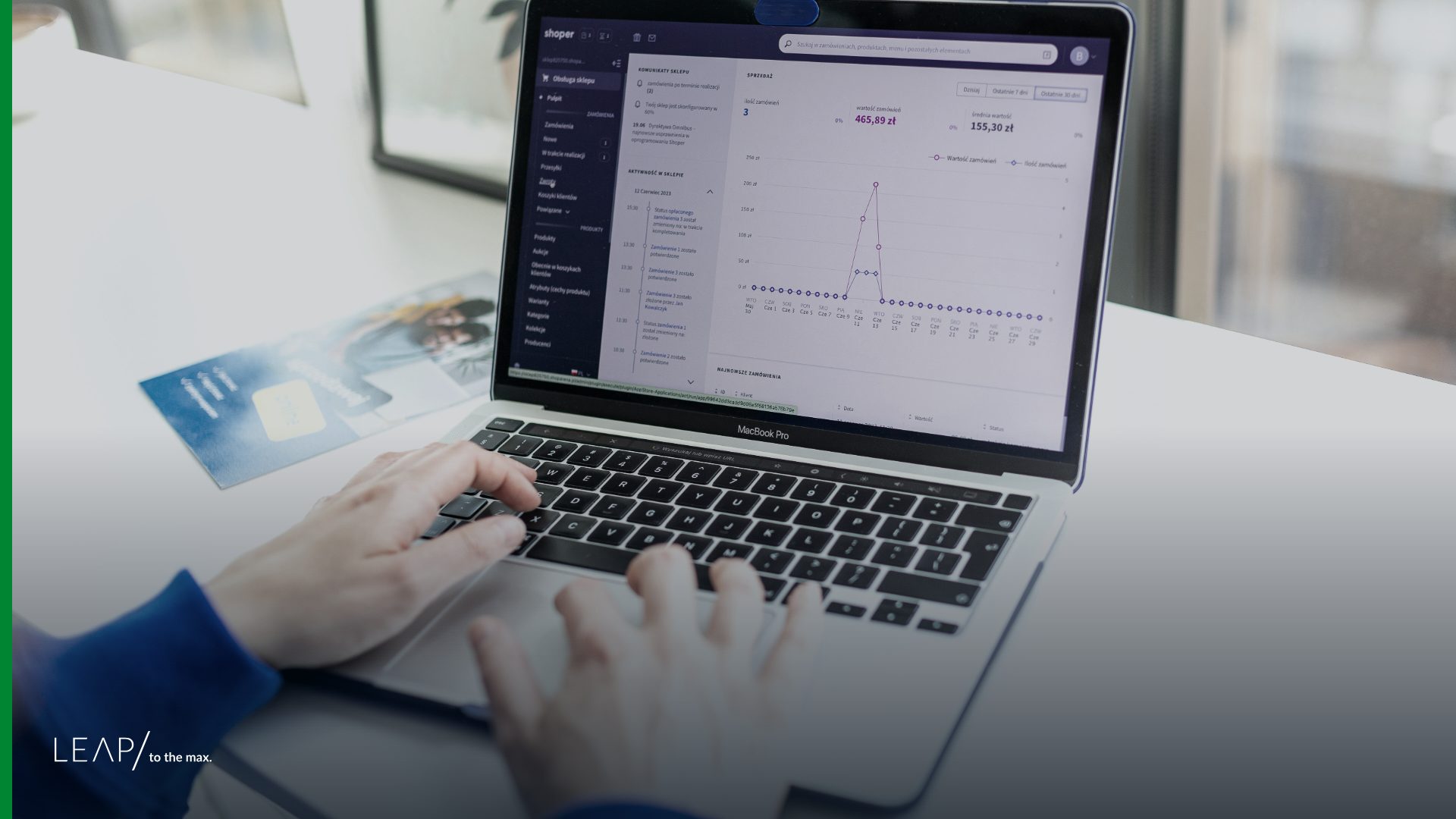
Around 73% of top online shops in Germany do not use an A/B testing tool. Here is why this is the biggest untapped lever in e-commerce and what systematic testing actually achieves.


.png)