€12.4 million in additional revenue through A/B testing!

Watch for free now
New Study: How AI Search is Changing SEO Visibility in E-Commerce
Read now


AI overviews and AI-powered page generation are not UX experiments. They change the way value is created in organic search and how it is distributed.
For companies, this is not primarily about traffic losses. It is about a structural shift in the digital value chain.
The previous logic was relatively stable: Google distributes demand. Companies convert them.
With generative response formats and AI-supported pages, this model is changing. Google interprets, aggregates, and structures content — often before users even visit a website.
For companies, this means a new reality: SEO is no longer just a question of visibility. It becomes a question of platform dependency, differentiation and ultimately control over value creation.
1. AI overviews: The shift in demand
2. AI-generated pages: When platforms reorganize content
3. The real challenge: Who earns from the search?
4. Conclusion: SEO is becoming a platform strategy
1. AI overviews: The shift in demand
2. AI-generated pages: When platforms reorganize content
3. The real challenge: Who earns from the search?
4. Conclusion: SEO is becoming a platform strategy
AI overviews are particularly effective in the early phase of the customer journey. Where users are looking for orientation.
Historically, this phase was the start of many performance funnels:
Advice articles, comparison pages or explanatory content served as the first point of contact.
With generative summaries, this phase is increasingly being handled within the search interface. Users get answers directly on the results page.
This not only changes the click rate, but also the role of informational content in the entire business model.
There is also another effect: The selection of sources in AI overviews no longer follows the classic rankings exactly.
Analyses show that AI overviews often combine content from significantly more sources than classic search results. At the same time, only a small proportion of the sources mentioned come from the top 10 organic sources.
Visibility in classic search therefore does not automatically guarantee visibility in generative answers.
In the previous model, organic visibility had three central effects:
AI overviews change that logic.
Reach can continue, but direct contact with the user is becoming less frequent. At platform level, information is summarized, evaluated and, in some cases, answered in full.
For companies with highly information-driven entry pages — for example in e-commerce, in B2B markets or media offerings — this creates structural pressure on the upper funnel level.
The bottleneck is shifting from ranking to interaction.
However, it is important that this development is not an argument against SEO. It is an argument against replaceable SEO.
Standardised information is easy to aggregate. Content with a unique perspective, a clear structure or special expertise is much more difficult to replace.
AI overviews are therefore not just a traffic topic. They are primarily a margin issue.
The strategic answer to this is not less SEO, but more precisely guided SEO.
Companies that systematically develop subject areas, differentiate content and clearly structure their information architecture increase the likelihood of remaining relevant even in AI-generated answers.
This raises a fundamental question for decision makers:
How much of our organic business model is based on informational content and how robust is this model to platform aggregation?
As early customer journey phases increasingly take place in the search interface, the pressure on the remaining touchpoints increases.
Less traffic doesn't automatically mean less value.
However, it means that every visit must contribute more to creating value.
As a result, three factors are becoming more important:
Differentiation instead of reach: Standardised content loses importance more quickly.
Conversion architecture instead of volume: Less but targeted traffic must be used more efficiently.
Value per user instead of session numbers: The focus is shifting from mass to effect.
Companies whose content is clearly interchangeable are more easily integrated into platform responses. Companies with their own methodology, clear positioning, or proprietary data retain more control over their demand.
In addition to AI overviews, another concept points to a deeper change: AI-generated pages.
A patent discussed by Google describes a model in which existing content is used to dynamically create new page variants.
The platform would therefore not only summarize content, but also restructure it.
This is shifting another part of control over content to the platform.
In such a scenario, the website becomes less of a direct target and more of a source of content.
The platform can provide content:
This creates a new level of dependency for companies.
Anyone who does not control the presentation loses influence on perception, conversion dramaturgy and data access.
The strategic design of one's own content is becoming all the more important.
Companies must clearly define:
Platform control cannot be completely prevented. Structural interchangeability, on the other hand, does.
A key strategic question is therefore:
Where does our user relationship start — on the platform or on our own website?
The earlier platforms control the first point of contact, the more the role of the website is reduced to a pure conversion station.
It is therefore becoming more important to transfer demand into your own spaces of interaction.
This can be done in various ways:
Platforms can aggregate information.
However, they can only replace a real user relationship to a limited extent.
Companies that consciously structure their content and strengthen their interaction spaces can use platform mechanics instead of becoming completely dependent on them.
Transforming the search is ultimately not a technical issue. It is a question of distribution of value.
Historically, the following was
Content creates visibility.
Visibility creates traffic.
Traffic creates value.
In a generative search environment, this order changes.
Content creates platform relevance.
Platform relevance creates visibility.
The platform decides on forwarding.
The difference is decisive.
It is not visibility alone that determines success, but the ability to efficiently monetize remaining demand.
When platforms take over parts of the information phase, the pressure increases:
Less but more qualified demand can even be economically more attractive — provided that it is used strategically.
If this structure is missing, declining interactions quickly lead to loss of margins.
1. Dependency level
How much does our turnover depend on organic information visibility?
2nd degree of differentiation
Is our content interchangeable or does it have a clear independence?
3. Monetization level
How efficiently are we using existing demand?
Companies that do not actively manage these issues are gradually losing control over their added value.
AI overviews and AI-generated pages mark a fundamental change in the search economy.
Platforms are starting to reorganize value flows.
For companies, this means:
SEO is no longer just a performance channel.
It is becoming a strategic tool for managing demand, differentiation and value absorption.
Anyone who continues to see organic visibility primarily as a source of traffic underestimates this change.
The real challenge is not falling click rates.
It lies in
The silent transformation of the search doesn't just decide who is visible.
It decides who controls value in the long term — and who transfers it to platforms.

.png)

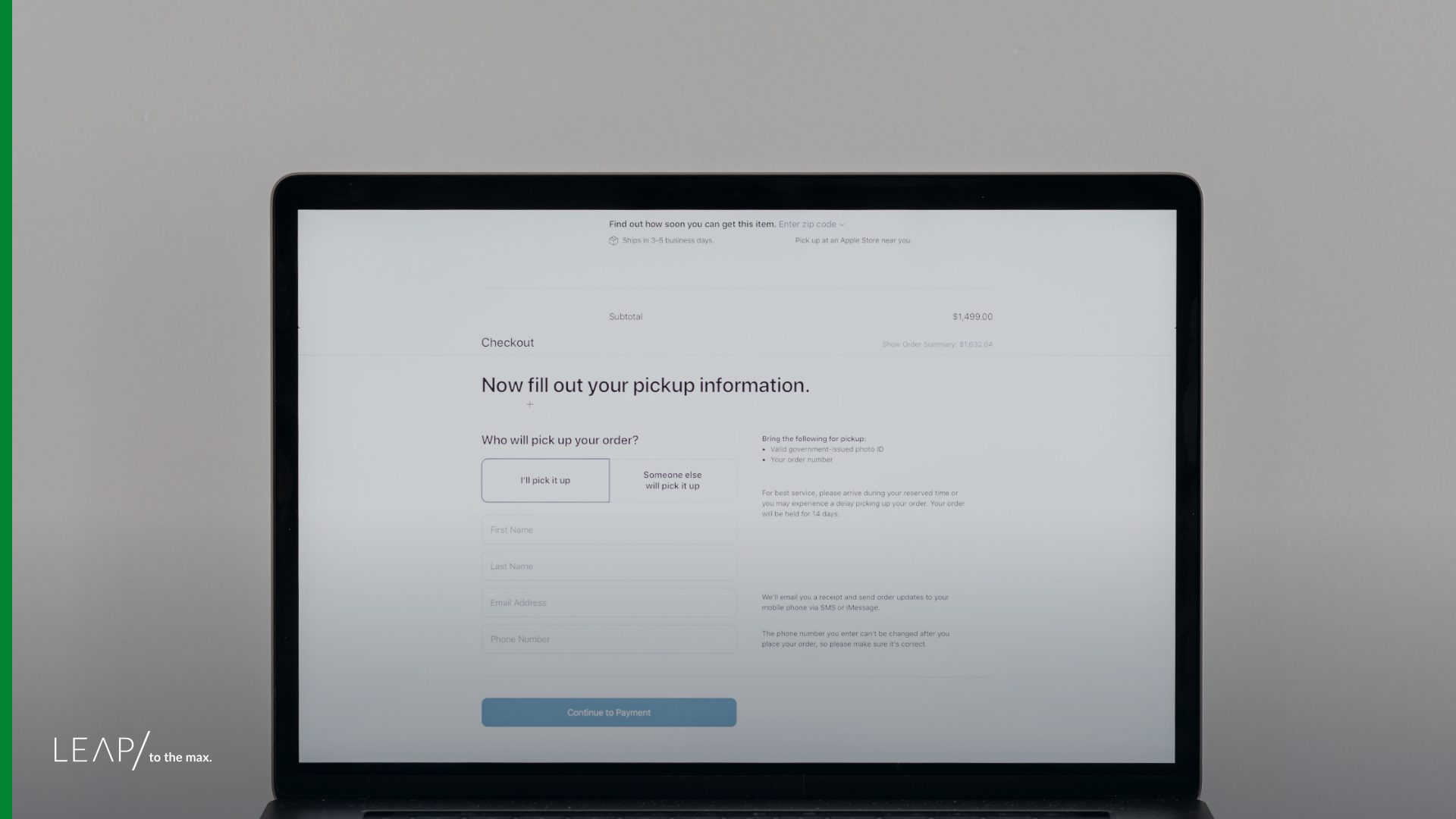
About one in four shoppers abandons their cart due to mandatory account creation. Here is how a guest checkout removes the barrier without losing customer accounts.

The cost of conversion optimization depends on a few key factors. Learn about pricing models, cost drivers, and why ROI is the more important figure.

Build SEO in-house or outsource to an agency? Five questions to help you make an honest make-or-buy decision.

Not every CRO agency tests systematically. These 7 criteria will help you identify reliable providers before you allocate your budget.
Around 73% of top online shops in Germany do not use an A/B testing tool. Here is why this is the biggest untapped lever in e-commerce and what systematic testing actually achieves.


.png)