€12.4 million in additional revenue through A/B testing!

Watch for free now
New Study: How AI Search is Changing SEO Visibility in E-Commerce
Read now


The insurance industry is being reshaped by digital transformation – this core strategy shows you how to stay in control.

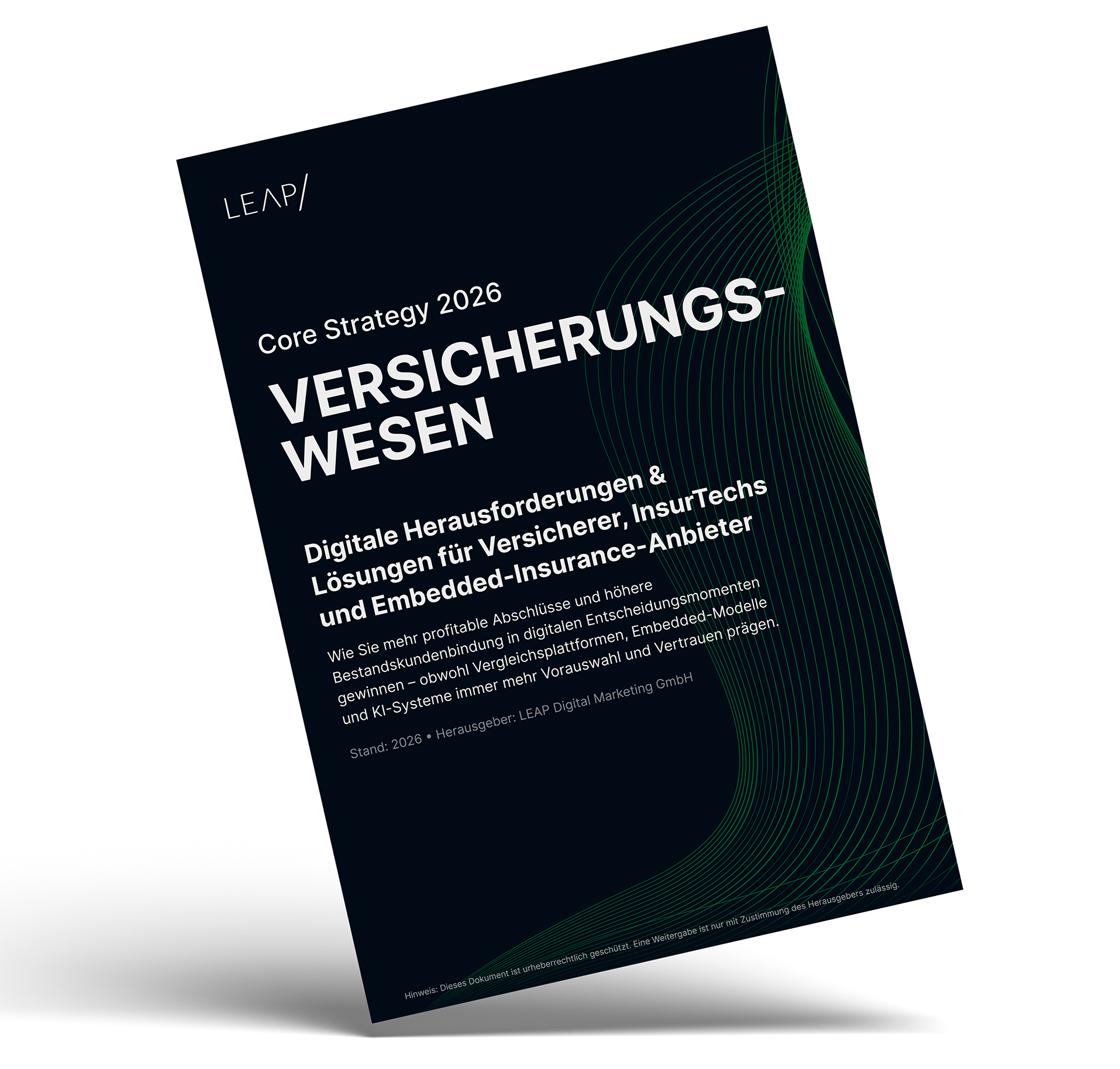
Purchasing insurance online has gone from being an exception to standard behavior within just a few years – across all age groups.
In 2019, 55% of customers purchased insurance online; by 2025, that figure reached 83%. The problem: customer readiness is growing faster than the ability of insurers to serve them. International benchmarks put the abandonment rate in the insurance sector at up to 84% – the highest of any industry. If you don't align your digital funnel with this user behavior, you aren't losing customers due to a lack of interest, but because of your own website.
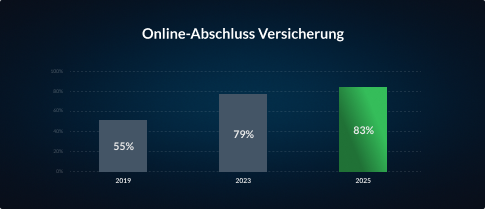
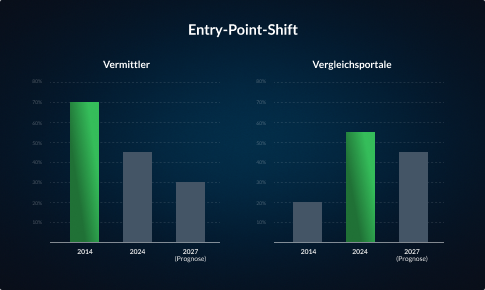
The entry point for research and pre-selection is shifting away from the broker.
In 2014, about 70% of initial contact still went through brokers; by 2024, that figure had dropped to about 45%, while comparison portals grew from 20% to over 55% in the same period. However, even these comparison portals will come under pressure starting in 2027: forecasts indicate a decline in favor of AI-powered pre-selection. Anyone relying solely on brokers or comparison portals today is optimizing for the channel of yesterday.
This 26-page document is for you if you are responsible for turning digital interest into profitable policies at an insurance company – whether you are a primary insurer (property, life, health, auto), a broker or direct insurer, an InsurTech (digital insurer, MGA, comparison and closing platform), or an embedded insurance provider. Typical roles include CEO/Managing Director, Chief Commercial Officer, Chief Digital Officer, CMO/Head of Marketing, CFO, and Head of Product/Head of Customer Journey.
Customer access in the insurance industry is being attacked from three sides at once: from below by comparison portals, from the side by embedded models, and from above by AI-powered research. This core strategy provides you with a concrete framework to regain control of your digital funnel – measurably and without years of major IT projects.