€12.4 million in additional revenue through A/B testing!

Watch for free now
New Study: How AI Search is Changing SEO Visibility in E-Commerce
Read now


Conversions don't happen in a vacuum — they're the result of trust and clarity in the customer relationship. Users choose providers with whom they feel understood. This is exactly where empathy comes in: If you take the perspective of your target group, you increase the response to your offers and measurably increase the conversion rate.
1. Why empathy as a meta-factor is crucial for every conversion strategy
2. How data analytics and AI help scale and operationalize digital empathy
3. What role an empathically designed customer & user experience plays in conversions
4. How content builds trust and creates closeness through storytelling
5. How empathy can be strategically measured and used as a competitive advantage
1. Why empathy as a meta-factor is crucial for every conversion strategy
2. How data analytics and AI help scale and operationalize digital empathy
3. What role an empathically designed customer & user experience plays in conversions
4. How content builds trust and creates closeness through storytelling
5. How empathy can be strategically measured and used as a competitive advantage
For companies, empathy is not a “soft factor,” but a strategic tool that has a direct impact on sales and customer loyalty. Online marketing, e-commerce or B2B services — the same applies everywhere: Anyone who precisely understands the needs of their target group and responds to them will not only achieve clicks, but real conversions.
Empathy works like a meta-factor for every conversion measure. It creates closeness, trust and the basis for long-term relationships. If this empathy is missing, feedback and thus potential conversions are lost.
The key question for decision makers is: How can I strategically use empathy to really reach my target groups? Empathic marketing means designing content, processes and touchpoints from the customer's perspective. If you understand what motivates customers, what concerns they have and what needs remain unsatisfied, you can communicate your offer in such a way that it meets with immediate approval.
Empathy is therefore not just a “nice-to-have”, but a Business enabler, which has a directly measurable effect on sales and customer loyalty — provided that the products or services deliver real added value.
Direct human empathy is barely realizable on a large scale. But digital empathy can replace and scale it. By analyzing user behavior, feedback and interactions, needs, pain points and preferences can be precisely identified.
This is where modern technologies come into play: Big data, machine learning and AI make it possible to gain real insights from users' digital footprints. In this way, personalized recommendations, context-relevant content and optimized customer journeys can be developed — all with the aim of “understanding” the user, even without direct personal interaction.
The combination of strategic empathy and data-based analysis makes it possible to specifically increase conversion potential. Decision-makers can thus efficiently align their marketing measures, improve the user experience and at the same time strengthen customer trust.

It converts better with empathy
Technology alone isn't enough to increase conversions — people must be at the center of attention. An optimized customer experience means that users feel they are in good hands at all times: Information is easy to find, processes work smoothly and content addresses the needs of the target group.
This is where empathy pays off directly: If you know the customer's perspective, you can design the user journey in such a way that it is intuitive, pleasant and convincing. Modern tools such as heat maps, click analyses or AI-based segmentations help to identify behavioral patterns and continuously refine the experience. This allows weak points to be fixed early on before they cost conversions.
In short: A customer experience based on empathy and understanding of data not only ensures satisfied users, but also sustainably increases the conversion rate.
Content is the link between companies and target groups. They inform, entertain and build trust — and this is exactly where empathy has the strongest effect. If you design content in such a way that it addresses real problems, offers relevant solutions and hits the tone of the target group, you increase the likelihood that users will convert.
Storytelling is a particularly powerful tool in this regard. Stories create identification, convey closeness and emotionalize content. Whether it's a blog article, video, podcast or white paper — empathically written content conveys: “We understand you, we know what's important to you. ”
Data-based tools can help you analyze which content performs best and which topics are particularly popular with certain segments. In this way, content strategies can be specifically optimized and empathy effectively scaled.
Content is the link between companies and target groups. They inform, entertain and build trust — and this is exactly where empathy has the strongest effect. If you design content in such a way that it addresses real problems, offers relevant solutions and hits the tone of the target group, you increase the likelihood that users will convert.
Storytelling is a particularly powerful tool in this regard. Stories create identification, convey closeness and emotionalize content. Whether it's a blog article, video, podcast or white paper — empathically written content conveys: “We understand you, we know what's important to you. ”
Ways content builds trust:
Data-based tools can help you analyze which content performs best and which topics are particularly popular with certain segments. In this way, content strategies can be specifically optimized and empathy effectively scaled.
Empathy is much more than just a nice addition to marketing — it is a decisive factor for conversions, customer loyalty and long-term business success. Anyone who takes the perspective of their users, builds trust and consistently aligns processes and content with their needs creates a customer experience that works.
Modern technologies, in particular AI-based analyses, make it possible to measure empathy, identify weak points at an early stage and optimize them in a targeted manner. This makes the ability to empathize with users not only an emotional strength, but also a strategic competitive advantage.
Companies that systematically use empathy and combine it with data-based intelligence not only create satisfied customers, but also measurably increase the conversion rate — and lay the foundation for sustainable growth.



See how gartenmoebel.de built trust and achieved sustainable growth in conversions through targeted, psychology-based optimizations in our case study.
.png)

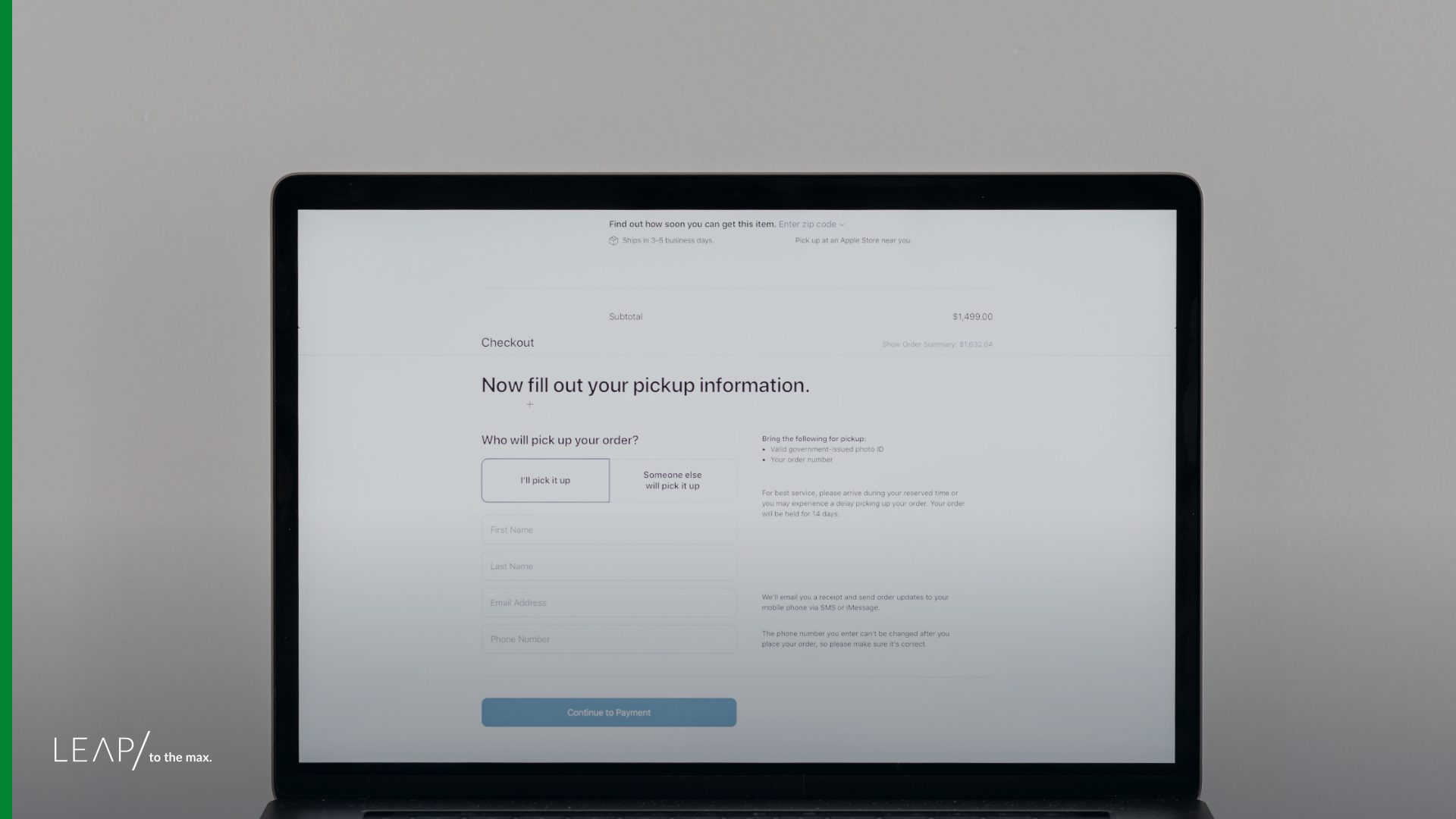
About one in four shoppers abandons their cart due to mandatory account creation. Here is how a guest checkout removes the barrier without losing customer accounts.

Most purchases are abandoned on smartphones. Discover where mobile checkouts fail and the levers you can use to boost your mobile conversion.

Around 7 out of 10 shopping carts are abandoned. Here are the known causes and the levers you can use to specifically lower your abandonment rate.

The cost of conversion optimization depends on a few key factors. Learn about pricing models, cost drivers, and why ROI is the more important figure.

Not every CRO agency tests systematically. These 7 criteria will help you identify reliable providers before you allocate your budget.


.png)