€12.4 million in additional revenue through A/B testing!

Watch for free now
New Study: How AI Search is Changing SEO Visibility in E-Commerce
Read now


Classic models such as Homo Economicus Assume that people make rational decisions. The reality is different: Users act impulsively, emotionally and situationally — and often cancel buying processes for irrational reasons. This is exactly where Richard Thaler's behavioral economics comes in. With the principle of Nudging (“Prodding”), he shows how decision architectures can be designed that unconsciously steer users in the right direction — without paternalism, but with a clearly measurable effect on conversions and sales.
1. Why users don't make rational decisions and how psychological patterns explain purchase cancellations.
2. How nudging works and unconsciously steers users in the right direction
3. What are the business effects of nudging
1. Why users don't make rational decisions and how psychological patterns explain purchase cancellations.
2. How nudging works and unconsciously steers users in the right direction
3. What are the business effects of nudging
For companies, the concept of nudging means that anyone who understands the mechanisms of human decisions can reduce purchase cancellations, optimize customer journeys and generate economic growth directly from psychological insights.
The idea of a rational decision maker is a myth. Studies by Thaler, Kahneman and Tversky show that people think in two systems.
In the checkout or product selection process, users mostly use System 1, which explains why even small hurdles — an additional form field, unexpected costs, or an overloaded menu — immediately lead to cancellations. For conversion optimization, this means: Instead of trying to force users to “make rational decisions,” we must understand their impulsive patterns and design them in a targeted manner.
Richard Thaler coined the term libertarian paternalism: People should be able to decide freely — but in a decision architecture that subconsciously “nudges” them in the right direction. He calls this principle Nudging.
The goal: to reduce bad decisions without restricting freedom of choice.
Business impact: Nudging is not a trick, but an investment in better decision-making processes. Used correctly, it reduces dropouts, increases trust and leads to measurably higher conversion rates.
A website is always also a Decision architecture. Users make dozens of micro-decisions — click, scroll, continue, or cancel. With nudging, you can specifically influence this journey.
Practical fields of application:
Business impact: Those who systematically integrate nudging not only increase the conversion rate in the short term. At the same time, it builds trust, reduces cognitive load and increases the likelihood of customers coming back — a clear lever for ROI and customer lifetime value
For corporations and large medium-sized companies, a healthy link profile is not a nice-to-have, but a central growth driver: Nudging opens up enormous potential for companies to specifically increase conversion rates, sales and long-term customer loyalty. Because anyone who consciously designs decision architectures ensures that users carry out the desired action intuitively and without cognitive overload.
Typical opportunities in a CRO context:
The special thing: Nudges do not work through coercion, but through subtle framing. They make the decision easier without depriving users of their freedom of choice — and thus ensure an increase in conversion that has a lasting impact on the business result.
Bad backlinks are not a random SEO problem, but a clearly identifiable risk to sales, visibility, and profitability. With a systematic approach that includes identification, evaluation and dismantling, you can secure your digital growth strategy: Where opportunities lie, risks also lurk. Nudging can easily slip into manipulation in conversion optimization — and thus damage trust and brand in the long term.
Critical points that companies must consider:
The guardrails: Successful nudging in conversion optimization means: always focus on customer benefits. Good nudges help users make a decision that is beneficial to them more easily. They increase conversions without jeopardizing trust or brand equity.
Nudging is not a “psychological trick”, but a real business lever. If you design decision architectures wisely, you can make the entire funnel more economically stable.
Conversion rate
Every little nudge — whether through defaults, social proof, or clear navigation options — reduces friction in the decision-making process. This reduces abortions and measurably increases the conversion rate.
Shopping cart values & additional purchases
Well-placed nudges not only steer users into the checkout, but also encourage value-adding options (e.g. premium shipping, bundles, upgrades). This directly contributes to the average shopping cart value.
Customer lifetime value
A user who makes a purchase stress-free thanks to a barrier-free and clear decision architecture is more likely to come back. Nudges promote trust and facilitate repurchases — a direct lever for CLV.
marketing efficiency
Every click you win that doesn't end in an abort lowers the cost per acquisition. With nudging, you not only optimize conversions, but also the efficiency of your overall marketing investments.
risk management
Correctly used nudges act like insurance: They reduce the likelihood that users will drop out due to friction, overburden, or lack of transparency. Every interruption prevented means secure sales.
👉 The quintessence: Nudging is much more than “behavioral design.” It is an economic multiplier that makes growth more predictable and allows companies to make maximum use of existing traffic — without additional media spending.
Richard Thaler's Nudging shows us that people are not rational computers, but act impulsively, situationally and often contradictory. Classic models such as the Homo Economicus They do not help with conversion optimization. What counts are decision architectures that “trigger” users without patronizing them — and thus make better decisions more likely.
For companies, this means:
Recommended action: Start by identifying the biggest points of friction in the funnel (e.g. forms, navigation, price perception). Develop simple nudges based on them — such as clear defaults, situational navigation or social proof — and systematically test their impact. This is how you turn psychological findings into measurable business results. Nudging is not a gimmick, but a strategic tool. If you master it, you not only increase conversions, but also make growth more predictable, efficient and sustainable.

.png)

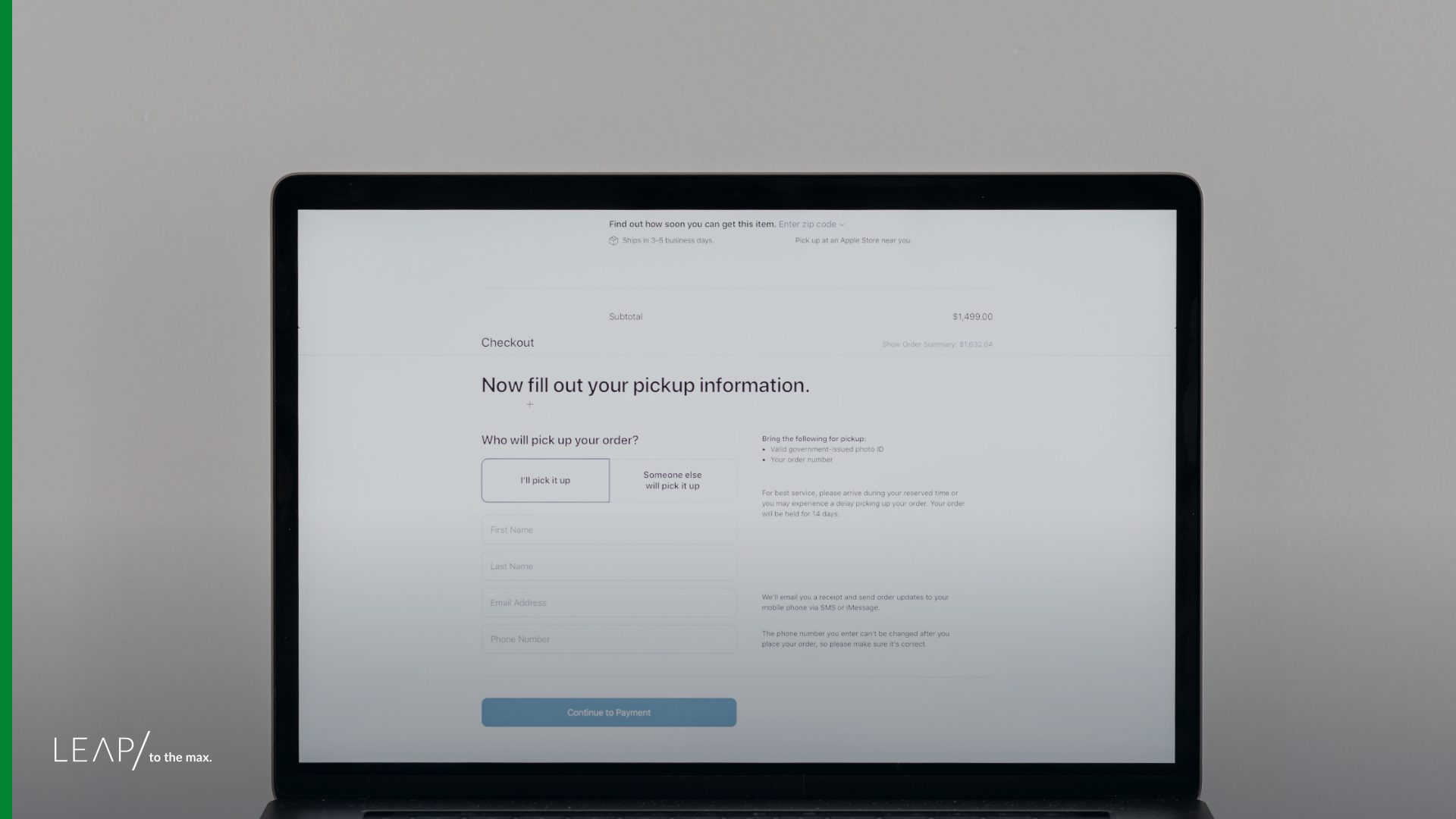
About one in four shoppers abandons their cart due to mandatory account creation. Here is how a guest checkout removes the barrier without losing customer accounts.

Most purchases are abandoned on smartphones. Discover where mobile checkouts fail and the levers you can use to boost your mobile conversion.

Around 7 out of 10 shopping carts are abandoned. Here are the known causes and the levers you can use to specifically lower your abandonment rate.

The cost of conversion optimization depends on a few key factors. Learn about pricing models, cost drivers, and why ROI is the more important figure.

Not every CRO agency tests systematically. These 7 criteria will help you identify reliable providers before you allocate your budget.


.png)